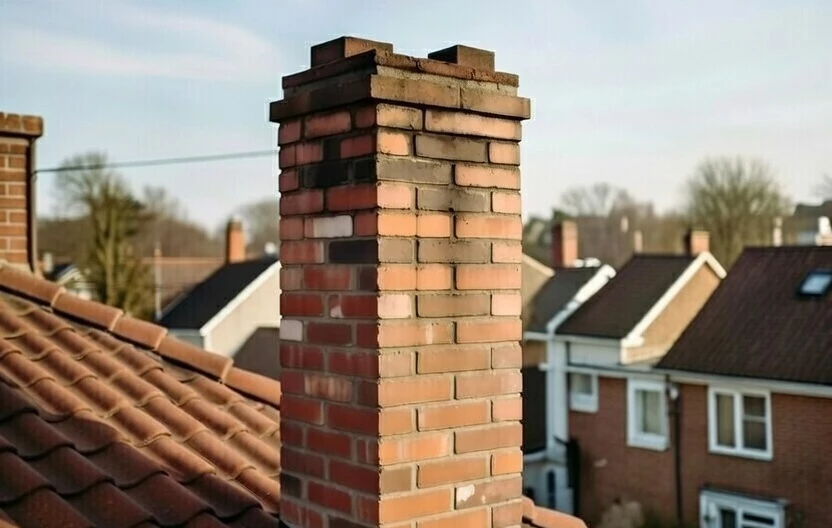
As a lifelong New Jersey resident, I've seen my fair share of harsh winters where a cozy fireplace becomes the heart of the home. But let's be real—nothing kills the vibe faster than a chimney issue turning your warm gathering spot into a potential hazard. If you're like many homeowners in the Garden State, you might overlook chimney maintenance until something goes wrong. That's why I'm diving into why regular chimney cleaning isn't just a good idea; it's absolutely essential for New Jersey homes. From preventing dangerous fires to boosting your heating efficiency during those brutal nor'easters, let's break it down.
The Hidden Dangers of Neglecting Your Chimney
Picture this: You're curled up with a hot cocoa, fire crackling away, but unseen creosote buildup in your chimney is turning that idyllic scene into a ticking time bomb. Creosote, that sticky, flammable residue from burning wood, is the leading cause of chimney fires. Nationwide, there are over 25,000 chimney fires each year, causing more than $125 million in property damage. In New Jersey, where wood-burning fireplaces are common in suburban homes from Bergen County to the Jersey Shore, the risks are even more pronounced. Fire statistics show that there were 23,100 chimney or fireplace fires in 2013 alone, with related fatalities and millions in losses. Regular chimney cleaning removes this buildup, drastically reducing the chance of a blaze that could spread to your roof or walls.
Beyond fires, a dirty chimney can lead to carbon monoxide poisoning—a silent killer that's odorless and invisible. When blockages like soot, debris, or even animal nests prevent proper venting, toxic gases back up into your living space. For New Jersey families relying on fireplaces during extended power outages from storms, this is no small concern. Professional chimney sweep services in NJ can spot and clear these issues, ensuring safe airflow and peace of mind.
Boosting Home Efficiency in New Jersey's Climate
New Jersey's weather swings from humid summers to freezing winters mean your heating system works overtime. A clogged chimney forces your fireplace or wood stove to burn inefficiently, wasting fuel and driving up energy bills. Clean chimneys allow for better drafting, meaning hotter, cleaner burns that heat your home more effectively. Studies show that regular cleanings can improve heating efficiency, keeping your Monmouth or Ocean County home warmer without cranking up the thermostat. In a state where energy costs are already high, this translates to real savings—potentially hundreds of dollars over a season.
Plus, think about the environmental angle. Efficient chimneys produce less smoke and emissions, aligning with New Jersey's push for greener living. If you're in areas like Princeton or Trenton, where air quality regulations are strict, maintaining your chimney helps you stay compliant while doing your part for the planet.
Health Benefits: Cleaner Air for Your Family
Soot and debris aren't just fire hazards—they're bad for your health too. Accumulated particles can release allergens, mold, and irritants into your indoor air, aggravating asthma or allergies, especially in kids and seniors. With New Jersey's high pollen counts in spring and fall, you don't need extra respiratory woes from a neglected chimney. A thorough chimney inspection and cleaning removes these contaminants, promoting healthier indoor air quality. It's like giving your home a deep breath of fresh air, particularly important in densely populated regions like North Jersey.
Complying with New Jersey Regulations and Insurance
Here's where it gets practical: New Jersey has specific building codes under the Uniform Construction Code (UCC) that mandate proper chimney maintenance. For instance, when replacing fuel-fired equipment like furnaces or water heaters, a chimney certification is required to verify the flue is free of combustibles and structurally sound. Chimneys must also meet clearance requirements, extending at least 2 feet higher than any part of the building within 10 feet, and liners are often mandatory for safety. Skipping this could void your homeowner's insurance or lead to fines during inspections.
Many insurers in NJ even offer discounts for homes with documented annual chimney maintenance, recognizing the reduced risk. It's a win-win: Stay legal, save money, and protect your investment.
How Often Should You Schedule Chimney Cleaning?
The Chimney Safety Institute of America (CSIA) recommends cleaning when there's 1/8 inch of soot buildup, but the National Fire Protection Association (NFPA) advises at least an annual inspection and cleaning for all chimneys, regardless of use. For heavy users in New Jersey—who might burn wood daily during winter—every six months is ideal. Light users can stretch to 18-24 months, but always pair it with an inspection to catch cracks, water damage, or blockages early. Factors like burning unseasoned wood or having an older masonry chimney in places like Camden or Essex County might mean more frequent service.
Choosing the Right Professional for the Job
Don't DIY this—hire a certified pro. Look for CSIA-certified technicians who use modern tools for a mess-free clean. In New Jersey, services like Chimney Sweep offer expert inspections, creosote removal, and repairs tailored to local needs. They'll ensure your setup meets state codes and provide tips on safe burning practices.
In the end, regular chimney cleaning is about more than maintenance; it's about safeguarding your New Jersey home and loved ones. Schedule yours today—before the first snow flies—and enjoy that fireside glow without the worry.