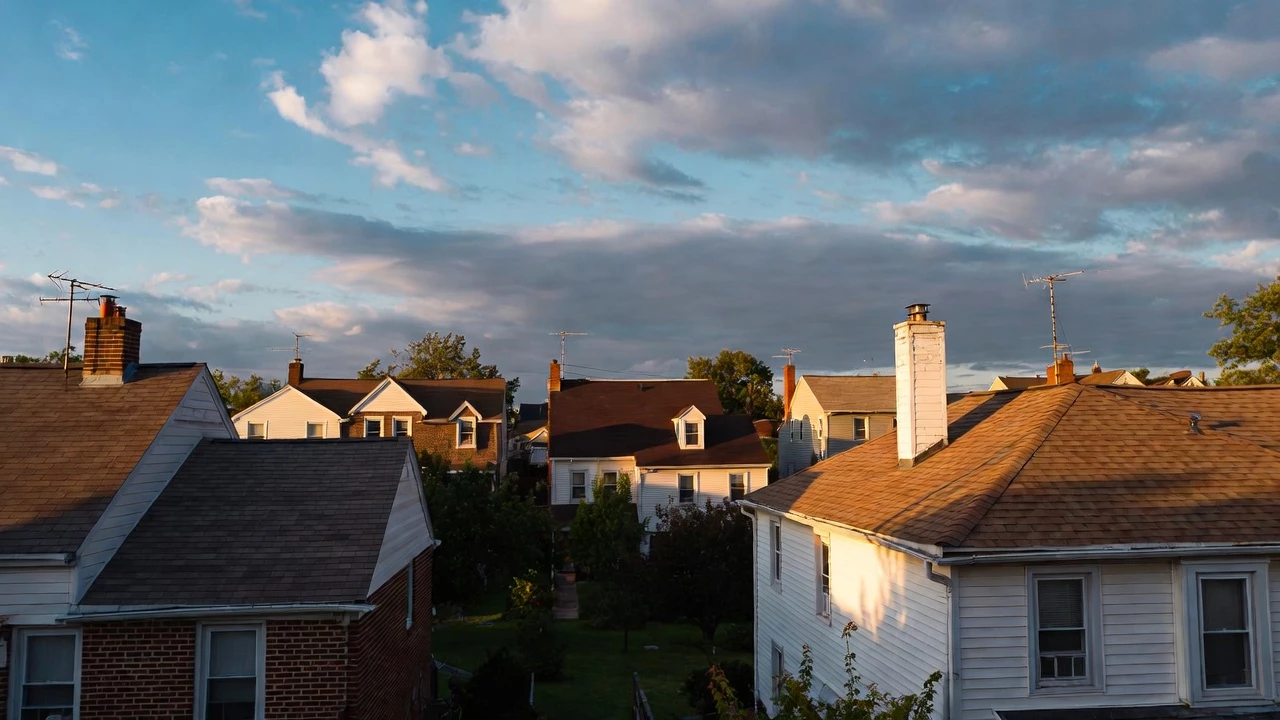
It's a crisp winter evening in New Jersey, snow blanketing the ground outside your cozy home in places like Newark or Trenton. You light up the fireplace to chase away the chill, only for things to go horribly wrong. A puff of smoke backs up into the room, or worse, an unnoticed fire sparks in the chimney. This isn't just a dramatic scene from a movie—it's a real risk for thousands of homeowners who overlook regular chimney maintenance. In a state where harsh winters demand reliable heating systems, skipping chimney care isn't just an oversight; it can lead to devastating consequences for your safety, home, and wallet.
Chimney maintenance might seem like a low-priority task on your home upkeep list, especially if you don't use your fireplace often. But in New Jersey, with its freeze-thaw cycles, humid summers, and strict building codes, neglecting this essential chore can snowball into major problems. According to the Chimney Safety Institute of America (CSIA), chimneys should be inspected at least once a year, and cleaned as needed. Yet, many residents push this off, thinking, "It worked fine last year." This article dives deep into what happens when you skip chimney maintenance in New Jersey, exploring the fire hazards, structural issues, health risks, legal ramifications, and more. We'll also touch on how to avoid these pitfalls and keep your home safe. By the end, you'll understand why treating your chimney like an afterthought could cost you dearly.
The Fire Hazards: A Ticking Time Bomb in Your Home
One of the most immediate and terrifying dangers of neglecting chimney maintenance is the increased risk of chimney fires. These aren't rare events—in fact, the National Fire Protection Association (NFPA) reports that chimney fires account for thousands of home fires each year across the U.S., with New Jersey seeing its fair share due to heavy reliance on wood-burning fireplaces during cold snaps.
The culprit? Creosote buildup. When you burn wood, it produces a sticky, tar-like substance called creosote that coats the inside of your chimney flue. Over time, without regular cleaning, this layer thickens and becomes highly flammable. A single spark from your fire can ignite it, leading to a blaze that burns at temperatures over 2,000 degrees Fahrenheit. In New Jersey's older homes—think those charming colonials in suburbs like Morristown or Princeton—this is especially problematic because aging masonry can crack under the heat, allowing the fire to spread to walls, roofs, or attics.
Consider a real-world example: In 2023, a family in Bergen County experienced a chimney fire that started small but quickly engulfed their attic, causing over $100,000 in damages. The investigation revealed years of skipped cleanings had allowed creosote to accumulate unchecked. Fire departments across the state, from Camden to Cape May, respond to similar incidents annually, often preventable with a simple sweep.
But it's not just wood-burning chimneys at risk. Gas fireplaces and oil furnaces vent through chimneys too, and blockages from debris, bird nests, or rust can cause incomplete combustion, leading to flash fires or explosions. Skipping maintenance means you're gambling with your family's safety. The NFPA's standard 211 emphasizes annual inspections to catch these issues early, but in NJ's variable climate, where rain and snow accelerate corrosion, waiting too long can be catastrophic.
To put it in perspective, creosote forms in three stages: Stage 1 is flaky and easy to remove, Stage 2 is tarry and harder, and Stage 3 is glazed and nearly impossible to clean without professional tools. If you skip maintenance for even one season, you could jump from Stage 1 to Stage 3, turning a routine cleaning into a major repair job. Homeowners in coastal areas like Atlantic City face added risks from salt air, which speeds up metal liner degradation in modern chimneys.
Preventing this doesn't require heroism—just consistency. But ignoring it? That's like leaving a loaded gun in your living room, waiting for an accident.
Structural Damage: From Cracks to Collapse
Beyond fires, skipping chimney maintenance invites structural havoc that can compromise your entire home. New Jersey's weather is notoriously tough on buildings: Freezing winters cause expansion and contraction in masonry, while heavy rains lead to water infiltration. Without regular inspections, small issues like cracked bricks or crumbling mortar joints escalate quickly.
Take efflorescence, those white, powdery stains on your chimney's exterior. They're not just unsightly—they signal moisture problems. Water seeps into porous bricks, dissolves salts, and deposits them on the surface. Left unchecked, this leads to spalling, where bricks flake and break apart. In NJ, where freeze-thaw cycles are brutal (think temperatures dipping below 20°F in January), this damage accelerates. A neglected chimney can channel water into your roof, walls, or foundation, causing leaks, mold, and even structural instability.
Unused chimneys aren't immune either. Many homeowners in urban areas like Jersey City cap their fireplaces but forget the chimney still stands exposed. Pests like squirrels, birds, or raccoons can nest inside, blocking flues and causing debris buildup. Moisture trapped in an uncapped or damaged chimney promotes rust in metal components or rot in wooden structures nearby. According to local contractors, repairing a collapsed chimney crown—the top protective layer—can cost $500 to $2,000, but if water damage spreads to your attic, you're looking at $10,000 or more.
Mortar deterioration, or the need for repointing, is another common issue. Mortar holds bricks together, but it erodes over time due to acid rain and pollution in industrialized parts of NJ like Elizabeth or Paterson. Skipping maintenance lets gaps form, allowing more water in and creating a vicious cycle. In severe cases, the chimney could lean or partially collapse, posing a danger to passersby and violating local building codes.
Energy efficiency takes a hit too. A damaged chimney with poor draft means your heating system works harder, increasing utility bills. In a state where heating costs average $1,500 per winter, that's no small change. Structural repairs aren't cheap: A full chimney rebuild in New Jersey can run from $5,000 to $30,000, depending on height and materials. Why risk it when annual maintenance costs just $200 to $500?
Health Risks: Invisible Threats to Your Family
Chimney neglect doesn't just damage property—it endangers health in subtle, insidious ways. The most notorious risk is carbon monoxide (CO) poisoning, often called the "silent killer" because it's odorless and colorless. A blocked or cracked flue prevents harmful gases from venting properly, allowing them to backdraft into your living spaces.
In New Jersey, where homes are often tightly sealed for energy efficiency, CO buildup can happen fast. Symptoms include headaches, dizziness, nausea, and in extreme cases, death. The state's Department of Health reports dozens of CO-related incidents yearly, many linked to faulty chimneys. For families with children or elderly members, this is particularly alarming—kids and seniors are more vulnerable.
Soot and creosote particles can also affect indoor air quality. When your chimney isn't clean, burning fires release fine particulates that irritate lungs, exacerbate asthma, or contribute to respiratory issues. In polluted areas like the Newark metropolitan region, adding to indoor pollution compounds outdoor smog problems.
Mold growth is another hidden danger. Water damage from a leaky chimney fosters mold in walls or attics, leading to allergic reactions or chronic health issues. The EPA warns that mold exposure can cause everything from skin rashes to neurological problems. In humid NJ summers, this risk spikes if winter damage goes unrepaired.
Even allergens from animal droppings in nested chimneys can trigger reactions. Skipping maintenance means you're not just ignoring your chimney—you're compromising your home's air quality and your family's well-being.
Legal and Insurance Implications in New Jersey
New Jersey has stringent regulations around home safety, and chimneys fall under building and fire codes. The state's adoption of the International Residential Code (IRC) requires chimneys to be maintained in safe condition. If you sell your home, a home inspection often uncovers chimney issues, potentially derailing the sale or forcing costly fixes.
More critically, insurance companies in NJ may deny claims if neglect is proven. For instance, if a chimney fire damages your property, your policy might not cover it without proof of recent maintenance. Providers like State Farm or Allstate often require documentation of annual inspections for fireplace-related coverage. In litigious NJ, if a chimney-related accident harms others, you could face lawsuits for negligence.
Local ordinances vary: In towns like Hoboken or Montclair, fire departments may mandate inspections before issuing heating permits. Skipping these can result in fines up to $1,000. Plus, with NJ's emphasis on energy codes, an inefficient chimney could violate efficiency standards, leading to compliance issues.
Don't forget environmental regs. Burning inefficiently due to a dirty chimney increases emissions, potentially flouting clean air laws in eco-conscious areas.
The Financial Toll: Short-Term Savings, Long-Term Losses
At first glance, skipping chimney maintenance saves money—who wants to shell out for a sweep when budgets are tight? But this "penny-wise, pound-foolish" approach backfires spectacularly. Minor cleanings cost $150–$300, but ignoring them leads to repairs in the thousands.
For example, fixing creosote-induced damage might require relining the flue, costing $2,500–$5,000. Water damage restoration? Easily $5,000+. In NJ's high-cost living areas like Bergen or Monmouth Counties, labor rates inflate these figures.
Higher energy bills from poor draft add up—up to 20% more on heating. And if structural issues affect your roof, you're in for a double whammy. Resale value suffers too; buyers shy away from homes with visible chimney problems, knocking thousands off your asking price.
Environmental and Efficiency Concerns
A neglected chimney isn't eco-friendly. Incomplete combustion releases more pollutants like particulate matter and volatile organic compounds (VOCs), contributing to NJ's air quality challenges. The state’s Department of Environmental Protection pushes for cleaner burning, and a dirty chimney undermines that.
Efficiency-wise, blockages force your HVAC system to overwork, wasting fuel. In an era of rising energy costs, this inefficiency hits hard.
Signs Your Chimney Needs Immediate Attention
Spotting trouble early can save you grief. Watch for:
- Strong odors from the fireplace, signaling creosote or blockages.
- Dark smoke or back-puffing.
- White stains (efflorescence) on bricks.
- Loose mortar or cracked tiles.
- Animal sounds or debris falling in.
- Rust on dampers or firebox.
If you see these, act fast—don't wait for disaster.
How to Maintain Your Chimney Properly in New Jersey
Prevention is key. Schedule annual inspections by CSIA-certified professionals. Clean based on usage: Heavy users need twice-yearly sweeps.
Install a chimney cap to keep out rain and critters—essential in rainy NJ. Use seasoned wood to minimize creosote. Consider stainless steel liners for durability against the elements.
For reliable service, companies like Chimney Guards offer comprehensive chimney maintenance, including inspections, cleanings, and repairs tailored to New Jersey homes. Their expertise ensures compliance with local codes and peace of mind.
DIY tips: Burn hot fires to reduce buildup, but never skip pro services.
Conclusion: Don't Let Neglect Burn You
Skipping chimney maintenance in New Jersey is like ignoring a check engine light—it starts small but ends in catastrophe. From fire risks and health hazards to skyrocketing costs and legal woes, the consequences far outweigh the effort of regular care. With the state's demanding climate, proactive maintenance isn't optional; it's essential.
Take action today: Book an inspection, install safeguards, and enjoy your fireplace worry-free. Your home, family, and wallet will thank you. Remember, a well-maintained chimney isn't just functional—it's a safeguard for everything you hold dear.