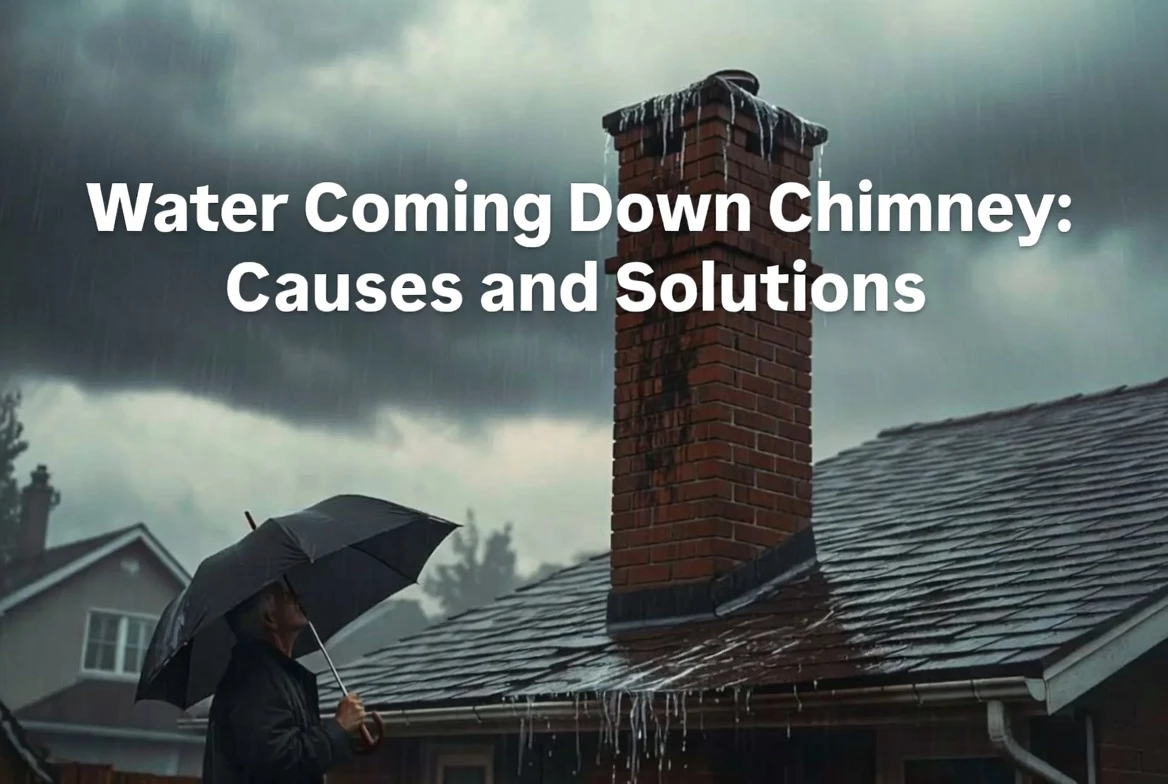
If you’ve ever been sitting in your living room in New Jersey during a heavy rainstorm and suddenly heard that dreaded drip… drip… drip coming from your fireplace, you know exactly how unsettling it can be. Water coming down the chimney isn’t just annoying — it can lead to costly damage, mold issues, and even structural problems if left unchecked. Here in the Garden State, where we deal with everything from nor’easters to humid summers, chimney leaks are surprisingly common. But the good news? Most cases are fixable, and understanding what’s causing the water is the first step toward a dry, safe home.
At Chimney Guards, we’ve helped hundreds of homeowners across New Jersey, and the entire state solve these exact problems. Whether it’s a small drip during a light shower or water pouring down the flue in a downpour, we see it all. In this comprehensive guide, we’ll walk you through every possible cause, the best solutions, and when it’s time to call in the pros for chimney repair NJ.
Why Am I Getting Water Down My Chimney?
This is the number one question we hear from worried homeowners. Water coming down your chimney when it rains usually points to one of three main issues: a problem with the chimney crown, missing or damaged flashing, or a lack of proper protection at the top (like a chimney cap). But it can also be more complicated.
In New Jersey’s unpredictable weather, even a tiny crack in the mortar can let gallons of rainwater seep in over time. I once worked with a family in Ramsey whose chimney looked fine from the outside — until we climbed up and found the crown had crumbled after years of freeze-thaw cycles. That single crack was funneling water straight down the flue and into their living room.
Other times, the water isn’t even coming from rain directly hitting the chimney. Poor attic ventilation or condensation inside the flue can create dripping that sounds exactly like a leak. And yes — we’ll cover that too.
Water Coming Down Chimney in Heavy Rain: What’s Really Happening?
New Jersey rainstorms hit hard and fast. When water comes pouring down your chimney during heavy rain, it’s almost always because the chimney isn’t properly sealed at the roofline or top. Here are the usual suspects:
- Damaged chimney crown: The concrete top that slopes water away from the flue. Once it cracks, water pools and seeps straight down.
- Missing or cracked flashing: The metal pieces that seal where the chimney meets the roof. In older NJ homes (especially those built before the 1980s), flashing often rusts out.
- No chimney cap: Without a cap, rain, leaves, birds, and even squirrels have free access. A good cap with a mesh screen changes everything.
- Cracked flue liner: The clay or metal tube inside the chimney can crack from heat expansion or age, letting water run down the inside walls.
We’ve seen homes where water was coming down the chimney flue so heavily that it filled the firebox like a bathtub. Not fun when you’ve got hardwood floors below.
Water Dripping Down Chimney Flue When It’s Not Raining?
Sometimes homeowners call us confused: “I can hear water dripping in my chimney but no rain is falling.” This is almost always condensation or a downdraft issue. When warm air from your house rises and meets cold air in the flue (especially in winter), moisture condenses on the cold surfaces and drips down. It’s not a roof leak — it’s physics.
In New Jersey’s cold winters, this happens a lot with unlined or poorly insulated chimneys. The solution? Proper insulation, a stainless-steel liner, or simply using the fireplace more often to keep the flue warm.
Chimney Leaking Inside House: Signs You Can’t Ignore
If you notice:
- Wet spots on the ceiling near the chimney
- Musty smells in the fireplace area
- White powdery deposits (efflorescence) on the brick inside
- Rust on your damper or firebox
- Stains running down the interior chimney walls
…then you have a chimney leaking inside house situation. Don’t wait. Water inside your home can lead to mold within 48 hours, and in New Jersey’s humid climate, mold loves to spread fast.
How Do You Fix a Downdraft in a Chimney?
Downdraft and water problems often go hand-in-hand. When wind blows down the chimney instead of letting smoke go up, it can push rain right into your house. Common fixes include:
- Installing a proper chimney cap with a wind-directional design
- Adding a flue extender (raises the opening above turbulence)
- Installing a draft-inducing cowl or turbine
- In severe cases, relining the flue or adding a top-sealing damper
We had one customer in Mahwah whose downdraft was so bad that smoke filled the house every time they lit a fire — and rain poured in during storms. A custom-fitted chimney cap solved both problems overnight.
What Stops Water from Coming Down a Chimney?
The simplest, most effective answer is a high-quality chimney cap combined with professional sealing. But let’s break it down:
- Chimney caps: These are your first line of defense. A stainless-steel cap with 1/2-inch mesh keeps animals out and water out while allowing smoke to escape.
- Crown repair or replacement: If the concrete top is cracked, we either patch it with elastomeric sealant or pour a brand-new sloped crown.
- Flashing replacement: We always use step flashing and counterflashing sealed with high-grade roofing cement.
- Mortar repair: Tuckpointing deteriorated joints prevents water from entering the brickwork.
- Flue liner repair: Cracked liners get relined with a stainless-steel system that lasts decades.
At Chimney Guards New Jersey, we never recommend a one-size-fits-all solution. Every chimney in New Jersey is different — some are brick, some stone, some have terra cotta liners from the 1920s. We inspect first, then build a custom plan.
How to Repair a Chimney That Is Leaking Rain: Step-by-Step
Here’s exactly what a professional chimney repair NJ team does:
Step 1: Safety Inspection We use drones and ladders to check the crown, flashing, and brickwork from every angle. No guesswork.
Step 2: Diagnose the Exact Source Sometimes it’s not obvious. We use smoke tests and water tests to pinpoint the leak.
Step 3: Crown Repair or Replacement For minor cracks, we apply a flexible, waterproof coating. For major damage, we remove the old crown and pour a new one with proper slope.
Step 4: Flash and Seal We install or repair all flashing and seal every penetration with high-quality materials rated for New Jersey’s freeze-thaw cycles.
Step 5: Install Chimney Cap We custom-build or fit a heavy-duty cap that matches your home’s aesthetics.
Step 6: Interior Cleanup We remove any water damage, treat for mold if needed, and make sure your fireplace is safe to use again.
Most jobs take 1–3 days. The difference afterward is night and day — no more dripping, no more worry.
Will Insurance Cover a Leak Around a Chimney?
This is another question we get constantly. The short answer: sometimes, but not always.
Standard homeowners insurance usually covers “sudden and accidental” damage (like a tree falling on your chimney). But gradual water damage from poor maintenance? That’s typically excluded. Many policies specifically say they won’t cover “wear and tear” or “lack of maintenance.”
Here in New Jersey, we always recommend checking your policy and taking photos of any damage immediately. Document everything. In some cases, if the leak caused interior damage (wet ceilings, ruined drywall), that secondary damage might be covered even if the chimney repair itself isn’t.
Pro tip: Regular chimney inspections (we recommend every year) can actually help your insurance claim by proving you maintained the system properly.
Fireplace Repair NJ: When the Problem Isn’t Just the Chimney
Sometimes the water damage shows up in the firebox or damper area, which means you may need fireplace repair NJ services too. At Chimney Guards New Jersey we handle both chimney and fireplace repairs under one roof. We’ve rebuilt fireboxes, replaced dampers, installed new glass doors, and even converted old wood-burning fireplaces to gas — all while solving the original water issue.
Preventing Future Water Problems in New Jersey Chimneys
Prevention is always cheaper than repair. Here’s our homeowner checklist:
- Get an annual chimney inspection (required by many insurance companies)
- Install or replace your chimney cap every 5–7 years
- Keep trees trimmed away from the chimney
- Make sure your roof and gutters are in good shape — overflowing gutters can splash water onto the chimney
- Never block the fireplace opening with plastic or plywood in winter (this traps moisture)
Local New Jersey Chimney Stories We’ve Seen
Over the years we’ve worked on everything from historic homes in Bergen County to brand-new construction in Sussex. One thing stays the same — ignoring a small drip today turns into thousands of dollars in damage tomorrow. We had a client in Oakland whose water coming down chimney in heavy rain ruined a $12,000 hardwood floor because they waited two seasons to call.
When to Call the Professionals for Chimney Repair NJ
If you see any of the signs we mentioned — water dripping, stains, musty smells, or even just that nagging feeling something isn’t right — don’t try to fix it yourself. Chimney work is dangerous and requires specialized knowledge of building codes (New Jersey has strict ones).
At Chimney Guards New Jersey, we’re fully licensed, insured, and we stand behind every job with a warranty. Whether you need a simple cap installation or a complete chimney rebuild, our team knows exactly how to stop water from coming down your chimney for good.
Ready to fix that leak once and for all? Don’t wait for the next big storm. Contact us today for a free inspection. We serve all of New Jersey and pride ourselves on fast response times and honest, upfront pricing.
Stop the water. Protect your home. Call the chimney experts who actually live here.
If you’re searching for “chimney repair nj”, “water coming down chimney when it rains”, or “how to repair a chimney that is leaking rain”, you just found the right team. Let’s keep New Jersey homes dry and safe — one chimney at a time.