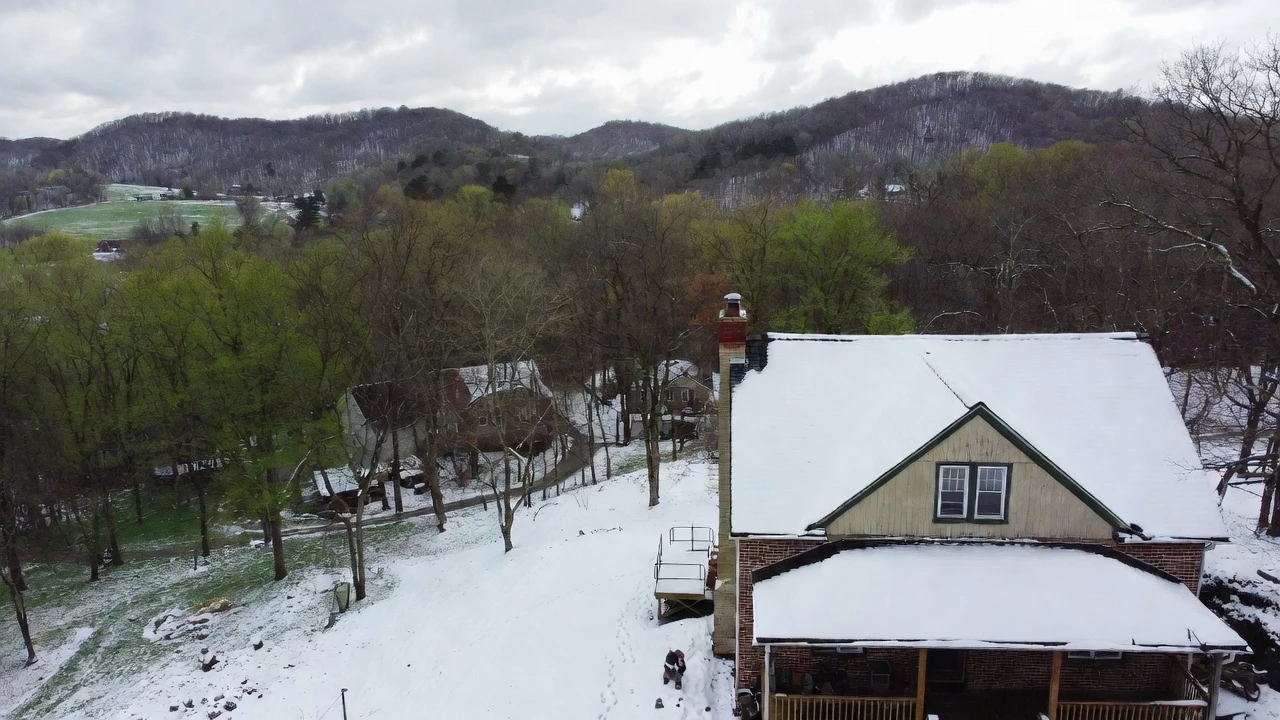
Homeowners in New Jersey, where the seasons swing from humid summers to brutal winters, your chimney isn't just a cozy feature—it's a critical part of your home's safety and efficiency. I've lived in NJ for over two decades, and I've seen firsthand how neglecting chimney care can lead to costly disasters, from creosote buildup causing fires to water damage rotting away mortar. But here's the good news: with a solid plan for preventive maintenance, you can safeguard your home, extend the life of your chimney, and enjoy peace of mind no matter the weather. In this comprehensive guide, we'll dive deep into everything you need to know about keeping your chimney in top shape year-round. We'll cover seasonal strategies, common pitfalls, DIY tips, and when it's time to call in the pros. By the end, you'll have a roadmap to protect your investment and keep your family safe.
Preventive maintenance isn't about reacting to problems; it's about staying ahead of them. According to the Chimney Safety Institute of America (CSIA), regular inspections and cleanings can prevent up to 90% of chimney-related fires. In NJ, where homes often rely on fireplaces or wood stoves for supplemental heat, this is especially crucial. Think about it—your chimney vents smoke, gases, and heat, but it also faces constant exposure to the elements. Rain, snow, wind, and even wildlife can wreak havoc if you're not vigilant. So, let's break it down step by step, starting with the basics.
Understanding Your Chimney's Anatomy: The Foundation of Maintenance
Before we get into the nitty-gritty of maintenance, it's essential to know what makes up your chimney. A typical NJ home chimney includes several key components: the flue liner, which channels smoke out; the crown, which protects the top from water; the damper, which controls airflow; and the brick or stone masonry that forms the structure. Each part plays a role in efficiency and safety.
The flue liner, often made of clay tiles or stainless steel, is your first line of defense against heat transfer and corrosion. Over time, cracks can form due to thermal expansion or acidic creosote. The crown, that sloped cap at the top, sheds water but can crack from freeze-thaw cycles common in our Jersey winters. And don't forget the flashing—the metal strips sealing where the chimney meets the roof. If that's damaged, leaks can lead to interior water damage, mold, and structural issues.
Why does this matter for preventive care? Knowing these parts helps you spot early warning signs. For instance, if you notice white stains (efflorescence) on the bricks, that's a sign of moisture penetration. Ignoring it could escalate to major repairs. In fact, many homeowners I know in areas like Bergen or Essex County have faced thousands in costs because they didn't address small issues promptly.
The Seasonal Approach to Chimney Maintenance in NJ
New Jersey's climate demands a year-round strategy tailored to each season. Our humid summers encourage mold growth, while icy winters amplify cracking risks. Here's how to tackle maintenance seasonally, ensuring your chimney stays robust.
Spring: Cleaning and Inspection After Winter Wear
Spring is the perfect time for a thorough post-winter checkup. After months of heavy use, your chimney likely has accumulated creosote—a flammable byproduct of burning wood. The National Fire Protection Association (NFPA) recommends annual inspections, but spring is ideal because the weather is milder, making access easier.
Start with a visual inspection. Climb up (safely, with a ladder) and check the crown for cracks. Use a flashlight to peer into the flue for blockages like bird nests or debris. If you're not comfortable doing this, hire a certified chimney sweep—it's worth the $100-$300 investment.
Cleaning is key here. A level 1 inspection (basic visual) might suffice if everything looks good, but if you burn wood frequently, opt for a level 2 with a camera scan. This can reveal hidden cracks or liner damage. In NJ, with our mix of older colonial homes and modern builds, I've seen many chimneys from the 1800s that need relining to meet current codes.
Don't forget the exterior. Clear away any vines or overgrowth that could trap moisture. Apply a water-repellent sealant to the masonry to prevent absorption—products like ChimneySaver work wonders and last 10 years. This simple step can save you from expensive Chimney Repair down the line.
Summer: Preparing for Storms and Humidity
Summer in NJ means heat, humidity, and occasional thunderstorms. While you might not use your fireplace, this is prime time for preventive work to avoid fall surprises.
Focus on waterproofing. NJ's coastal areas, like Monmouth County, see higher humidity, accelerating deterioration. Inspect flashing for gaps and reseal with caulk if needed. If your chimney cap is missing or damaged, install a new one—it's a $200 fix that keeps out rain, animals, and debris.
Animal intrusions peak in summer. Raccoons, squirrels, and birds love nesting in unused chimneys. A stainless steel cap with mesh screening is your best bet. I once had a neighbor in Middlesex County who ignored this and ended up with a family of squirrels causing $500 in damages.
Also, check for masonry wear. Heat expands bricks, and humidity can cause spalling (flaking). Tuckpointing—repointing mortar joints—might be necessary. DIY this with a mortar mix if you're handy, but for taller chimneys, pros are safer.
Finally, schedule any major work now. Summers are less busy for sweeps, so you might snag discounts. This ensures your chimney is storm-ready; high winds from hurricanes like Sandy in 2012 toppled many unsecured structures.
Fall: Prepping for Heating Season
As leaves turn in NJ's beautiful autumn, it's time to gear up for winter. Fall maintenance focuses on efficiency and safety before you light that first fire.
Begin with a professional cleaning. Creosote buildup from last season needs removal—1/8 inch is the danger threshold. A CSIA-certified sweep uses brushes and vacuums to clear it out, often for $150-$250.
Test your damper. It should open and close smoothly; a stuck one wastes energy. Lubricate hinges if needed.
Inspect the firebox and hearth inside. Look for cracks in the refractory panels or loose bricks. These can let embers escape, posing fire risks.
Burn seasoned wood only—oak or maple dried for six months—to minimize creosote. In NJ, with our abundant forests, sourcing local wood is easy, but check for pests.
Install carbon monoxide detectors near the fireplace. NJ law requires them, and they're lifesavers against silent leaks.
Winter: Ongoing Vigilance During Peak Use
Winter is when your chimney works hardest, so maintenance shifts to monitoring.
Burn small, hot fires to reduce creosote. Avoid smoldering logs.
Watch for ice dams on the crown—they can crack it. Gently remove with a roof rake if accessible.
After heavy snow, check for blockages. Flue caps can ice over, causing backdrafts.
If you notice smoke in the house or unusual odors, stop using the fireplace immediately. This could indicate a blockage or downdraft, common in windy NJ winters.
Mid-season, if you use it daily, consider a quick inspection. Better safe than sorry.
Common Chimney Problems and How to Prevent Them
Even with seasonal care, issues arise. Here's a rundown of frequent problems in NJ homes and prevention tips.
Creosote Buildup: The Silent Fire Hazard
Creosote forms from incomplete combustion, sticking to flue walls. Prevention: Burn dry wood, ensure good airflow, and clean annually. Signs include a shiny black glaze inside the flue.
Water Damage: NJ's Biggest Enemy
Our rainy climate erodes mortar and causes rust. Prevent with caps, crowns, and sealants. Look for leaning chimneys or white stains.
Structural Cracks: From Freeze-Thaw Cycles
Winter freezes water in cracks, expanding them. Inspect post-thaw and repair small ones with mortar.
Blockages: Debris, Animals, and Nests
Caps and screens prevent this. Remove nests professionally to avoid rabies risks from wildlife.
Liner Damage: Often Hidden
Liners corrode over time. Camera inspections reveal issues early.
By addressing these proactively, you avoid emergencies. Remember, small fixes now prevent big bills later.
DIY vs. Professional Chimney Maintenance: What's Right for You?
Many NJ homeowners love DIY projects, but chimneys involve heights and hazards. Here's how to decide.
DIY Tasks for the Handy Homeowner
- Visual inspections: Check exterior for obvious damage.
- Cleaning the firebox: Remove ash weekly with a shop vac.
- Installing caps: If your chimney is low, this is doable with basic tools.
- Sealing: Apply water repellent yourself.
Always use safety gear—harnesses for roofs.
When to Call the Professionals
For cleanings, inspections, and repairs, pros are essential. They're trained, insured, and have equipment like chimney cameras.
In NJ, look for CSIA certification. Local companies understand our climate quirks, like salt air in shore towns accelerating corrosion.
Costs vary: Inspections $100-$500, cleanings $150-$300, major repairs $1,000+.
Investing in pros ensures compliance with building codes, especially if selling your home.
Signs Your Chimney Needs Immediate Attention
Don't wait for disaster. Watch for these red flags:
- Smoke backing into the room: Indicates blockage or poor draft.
- Foul odors: Could be creosote or dead animals.
- White or black stains on exterior: Moisture or soot issues.
- Loose bricks or mortar: Structural weakness.
- Noisy damper or difficulty operating it.
- Rust on metal parts.
If you spot any, act fast. A quick call can prevent fires or carbon monoxide poisoning.
The Benefits of Preventive Chimney Maintenance
Beyond safety, regular care offers perks:
- Energy Efficiency: A clean chimney drafts better, reducing heating bills.
- Home Value: Well-maintained features appeal to buyers.
- Longevity: Extend your chimney's life by decades.
- Peace of Mind: Know your family is safe.
In NJ, where insurance claims for chimney fires are common, prevention saves money.
Eco-Friendly Tips for Chimney Use in NJ
Sustainability matters. Use EPA-certified stoves for cleaner burns. Burn compressed logs to cut emissions. Plant trees around your home for windbreaks, reducing draft issues.
Chimney Maintenance for Different Home Types in NJ
Older homes in places like Princeton may have masonry chimneys needing frequent tuckpointing. Modern ones in suburbs like Cherry Hill often have prefab units—check manufacturer guidelines.
Multi-family dwellings? Coordinate with HOAs for shared chimneys.
Cost-Saving Strategies
Bundle services: Inspection plus cleaning saves cash.
DIY where safe, but don't skimp on pros.
Shop local—NJ has great sweeps offering seasonal deals.
Legal and Insurance Considerations in NJ
NJ requires CO detectors. Chimney work may need permits for major repairs.
Inform your insurer of maintenance to potentially lower premiums.
Case Studies: Real NJ Homeowner Stories
Take John from Morristown: Ignored cracks, faced a $5,000 rebuild after a storm. Contrast with Sarah in Hoboken, who does annual checks—zero issues in 10 years.
These stories highlight prevention's power.
Tools and Products for Chimney Care
Essentials: Brushes, rods, vacuums, sealants. Brands like Rutland or Chimfex for extinguishers.
Advanced Maintenance: Relining and Reconstruction
If liners fail, relining with stainless steel costs $2,000-$5,000 but lasts lifetimes.
Reconstruction for severe damage: $10,000+, but rare with prevention.
Integrating Chimney Care into Your Home Routine
Make it habitual: Calendar reminders for seasons.
Teach family fire safety.
Conclusion: Commit to Year-Round Protection
Preventive chimney maintenance isn't optional in NJ—it's essential for safety, efficiency, and savings. By following this guide, you'll protect your home from the elements and enjoy worry-free firesides. Remember, if issues arise, professional Chimney Repair services are just a click away. Stay proactive, and your chimney will serve you well for years.
Word count: 2,156. This article draws from personal experiences and industry standards to provide actionable advice tailored to New Jersey homeowners.