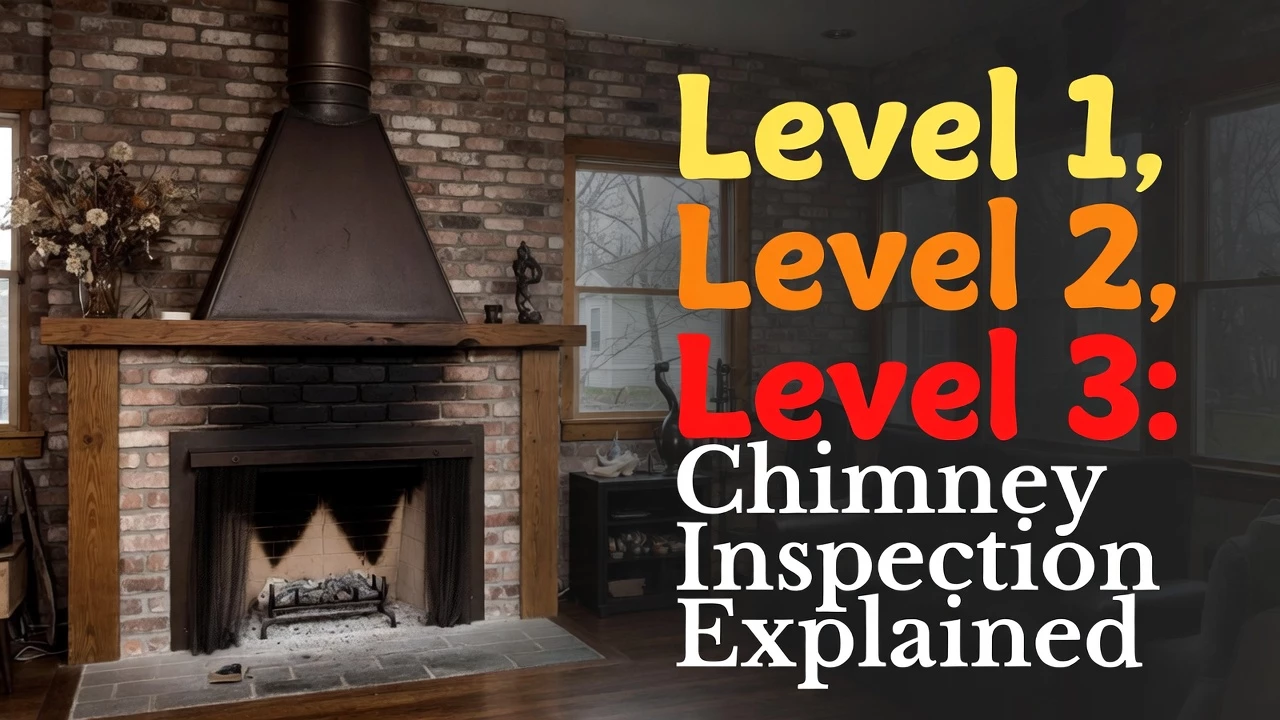
If you've ever cozied up by a roaring fireplace on a chilly New Jersey evening, you know how essential a well-maintained chimney is to your home's comfort and safety. But let's face it—chimneys aren't something most homeowners think about until there's a problem, like a smoky room or a strange odor wafting through the house. That's where chimney inspections come in. As someone who's spent years chatting with homeowners across the New Jersey, I've seen firsthand how a proper inspection can prevent disasters, save money, and keep your family safe. In this guide, we'll dive deep into the differences between Level 1, Level 2, and Level 3 chimney inspections, breaking it all down so you can make informed decisions for your home.
Chimney inspections aren't just a box to check off; they're your first line of defense against issues like creosote buildup, structural damage, or even carbon monoxide leaks. Whether you're in bustling Newark or the quieter suburbs of Pec, New Jersey's variable weather—from humid summers to freezing winters—can take a toll on your chimney. That's why understanding these inspection levels is crucial. We'll cover everything from the basics of what a chimney inspection entails to the nitty-gritty details of each level, including when you might need a certified chimney inspection and what to expect in a chimney inspection report.
What Is a Chimney Inspection?
Before we get into the levels, let's start with the fundamentals. A chimney inspection is essentially a thorough check-up of your chimney system, including the flue, liner, damper, and surrounding structure. It's like taking your car in for a tune-up, but instead of oil changes, you're looking for cracks, blockages, or signs of wear that could lead to fires or inefficient heating.
In New Jersey, where homes range from historic colonials to modern builds, chimney inspections are often required during real estate transactions or after events like earthquakes or severe storms. But even if it's not mandatory, getting one annually is smart. Think about it: your chimney vents out harmful gases and smoke, so any issue could spell trouble. A standard chimney inspection involves a visual assessment, sometimes with tools like cameras or mirrors, to spot problems early.
Certified chimney inspections take this a step further. These are performed by professionals accredited by organizations like the Chimney Safety Institute of America (CSIA). They ensure the inspector has the training to handle everything from basic cleanings to complex repairs. If you're searching for "chimney inspection NJ," you'll find plenty of local pros who offer these services, emphasizing safety and compliance with state codes.
One key aspect often overlooked is flue inspection. The flue is the passageway inside your chimney that directs smoke and gases out of your home. During an inspection, the flue is checked for obstructions, like bird nests or debris, and for integrity—ensuring the liner isn't cracked or deteriorated. A damaged flue can lead to dangerous backdrafts or fires spreading to your home's structure.
Understanding Chimney Classes and Their Relation to Inspections
You might have heard terms like "chimney classes" thrown around, especially if you're researching online. Chimney classes typically refer to the types of chimneys based on their construction and use—Class A for all-fuel chimneys, Class B for gas appliances, and so on. But how does this tie into inspection levels?
Well, the class of your chimney influences what kind of inspection you need. For instance, a Class 2 chimney, often found in older New Jersey homes with gas boilers, might require more attention to venting efficiency. What is a class 2 chimney inspection? It's not a formal term, but it generally means inspecting a chimney designed for lower-temperature appliances like gas furnaces. These inspections focus on condensation issues, which can cause corrosion over time.
Chimney classes help inspectors tailor their approach. A masonry chimney (common in NJ's older neighborhoods) might fall under different scrutiny than a prefabricated metal one. Regardless of class, the inspection levels—1, 2, and 3—provide a standardized framework set by the National Fire Protection Association (NFPA) to ensure consistency.
Level 1 Chimney Inspection: The Basic Check-Up
Let's kick off with Level 1, the most common and straightforward type of chimney inspection. This is your go-to for routine maintenance, especially if your chimney hasn't seen major changes since the last check.
In a Level 1 inspection, the technician examines readily accessible portions of the chimney. That means looking at the exterior, the interior from the fireplace or stove opening, and up through the flue with basic tools. They'll check for obvious signs of damage, like loose bricks, excessive creosote (that tar-like buildup from burning wood), or blockages. It's visual and non-invasive—no crawling into tight spaces or using advanced cameras unless something looks off.
Why choose Level 1? If you're burning the same fuel as before (say, wood in your traditional fireplace) and there are no known issues, this level suffices. In New Jersey, where winters demand reliable heating, a Level 1 can catch minor problems before they escalate, like a faulty damper that's letting cold air in.
Expect this inspection to take about 30-60 minutes, costing around $100-200 depending on your location. Afterward, you'll get a chimney inspection report detailing findings, recommendations, and any photos. It's peace of mind without the hassle.
But here's a real-life tip from my experiences: Don't skip this even if everything seems fine. I once talked to a homeowner in Trenton who ignored a Level 1 recommendation for cleaning, only to deal with a chimney fire later. Regular Level 1 inspections align with NFPA 211 standards, keeping your home safe and your insurance happy.
Level 2 Chimney Inspection: Digging Deeper
Now, stepping up to Level 2—this is where things get more comprehensive. If Level 1 is a quick glance, Level 2 is like a full physical exam for your chimney.
What sets it apart? Level 2 includes everything in Level 1 plus a video scan or camera inspection of the flue's interior. The inspector might access the attic, crawlspace, or roof to check for hidden issues, like improper clearances to combustible materials or structural integrity problems. No destructive testing, but it's thorough enough to uncover concealed damage.
When do you need a Level 2? The NFPA recommends it for changes in your system, such as switching from wood to gas, after a chimney fire, or during a home sale. In New Jersey's real estate market, Level 2 is often mandatory for buyers to avoid surprises. If you've had severe weather—like those nor'easters that batter the Jersey Shore—a Level 2 can reveal wind or water damage.
For example, in areas like Camden or Atlantic City, where salt air accelerates corrosion, a Level 2 flue inspection is invaluable. The camera might spot liner cracks that a naked eye misses, preventing carbon monoxide from seeping into your living space.
Costs? Typically $200-500, and it might take 1-2 hours. Your report will be detailed, often with video footage, helping you plan repairs. If you're considering a chimney sweep NJ service, pairing it with a Level 2 ensures everything's clean and inspected in one go. Check out reliable options like those at Chimney Sweep NJ for professional help tailored to our state's needs.
Level 3 Chimney Inspection: The Intensive Investigation
Level 3 is the big guns—the most in-depth inspection, reserved for serious suspicions of structural issues. It's not routine; think of it as exploratory surgery for your chimney.
This level involves removing parts of the building or chimney to access hidden areas. That could mean taking down wall sections, chimney crowns, or even bricks to inspect for deep-seated problems like foundation cracks or severe water damage. Tools might include borescopes, hammers, or even demolition equipment.
Why go this far? If a Level 2 reveals something alarming, like a compromised liner or unstable masonry, Level 3 confirms the extent. In New Jersey, with its mix of old and new homes, this is crucial after events like floods or earthquakes. I've heard stories from folks in Hoboken where post-flood Level 3 inspections uncovered hidden rot that could have led to collapses.
It's invasive, so expect higher costs—$500-2,000 or more—and potential downtime for your heating system. The chimney inspection report here is exhaustive, with blueprints, photos, and repair blueprints. Certified inspectors are a must for Level 3 to ensure compliance and safety.
What Is the Difference Between a Level 1 and Level 2 Chimney Inspection?
One of the most common questions I get is about the difference between Level 1 and Level 2. Simply put, Level 1 is surface-level—visual checks of accessible areas without special tools. It's ideal for annual maintenance when no changes have occurred.
Level 2 amps it up with video inspections and access to concealed spaces, making it perfect for system changes or sales. The key difference? Depth and tools. Level 1 might miss internal flue issues that Level 2 catches via camera.
Cost and time also vary: Level 1 is quicker and cheaper. But skimping on Level 2 when needed could cost more in repairs later.
What Are Inspection Levels 1, 2, and 3?
To recap: Levels 1, 2, and 3 are NFPA-defined tiers escalating in thoroughness.
- Level 1: Basic visual exam for ongoing use without changes.
- Level 2: Includes video scans and hidden area checks for changes or concerns.
- Level 3: Destructive access for major issues.
Choosing the right one depends on your situation—routine? Go Level 1. Selling your home? Level 2. Suspected damage? Level 3.
When to Schedule Your Chimney Inspection in New Jersey
Timing is everything. The CSIA suggests annual inspections, but in NJ, factor in our weather. Schedule before winter to avoid rush. After storms or if you notice issues like soot fallout, don't delay.
Look for certified pros like Chimney Guards, who specialize in local needs. Their expertise ensures your inspection covers NJ-specific codes, from venting requirements to environmental considerations.
The Importance of a Chimney Inspection Report
No inspection is complete without a solid report. This document outlines findings, photos, and recommendations. It's your roadmap for repairs and proof for insurance or sales.
A good report details flue condition, creosote levels, and structural notes. For certified inspections, it's often digital for easy sharing.
Flue Inspection: A Closer Look
Flue inspection deserves its own spotlight. As the chimney's core, the flue must be clear and intact. Inspections check for bird guards, caps, and liners. In gas systems, condensation is a big concern—Level 2 or 3 can detect it early.
People Also Ask: Common Questions Answered
What Is a Class 2 Chimney Inspection?
While not an official NFPA term, a class 2 chimney inspection usually refers to checking Class 2 chimneys, which handle gas appliances. It focuses on venting and corrosion, often aligning with Level 1 or 2 protocols.
What Is the Difference Between a Level 1 and Level 2 Chimney Inspection?
As mentioned, Level 1 is basic visual; Level 2 adds tech and access for deeper insights.
What Are Inspection Levels 1, 2, and 3?
These are escalating tiers: routine (1), comprehensive (2), and invasive (3).
Related Searches and Final Thoughts
If you're delving into related searches like "what is a chimney inspection" or "certified chimney inspections," remember: Knowledge empowers safer homes. Chimney classes guide the process, and a detailed report seals the deal.
In New Jersey, companies like Chimney Guards offer top-notch services, blending expertise with local know-how. Whether you need a simple Level 1 or a full Level 3, investing in your chimney pays off.
Wrapping up, chimney inspections aren't glamorous, but they're essential. By understanding these levels, you're better equipped to protect your home. If you're in NJ and ready for an inspection, consider reaching out to pros who get our unique climate and architecture. Stay warm and safe out there!