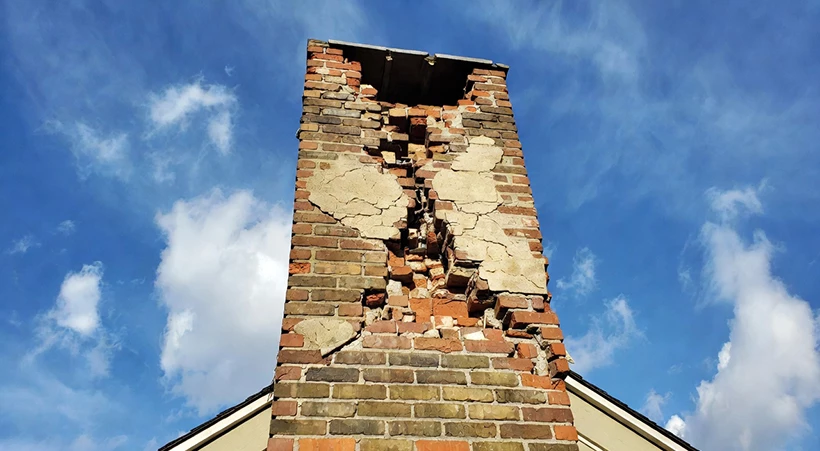
As a homeowner in the Garden State, there's nothing quite like curling up by a roaring fire on a chilly winter evening. But let's be real – that cozy vibe can quickly turn into a nightmare if your chimney isn't in top shape. I've lived through enough nor'easters to know that New Jersey's weather doesn't play nice with home maintenance, especially when it comes to chimneys. So, if you're asking yourself, "How often should I inspect my chimney in New Jersey?" you're already on the right track. Regular inspections aren't just a good idea; they're essential for safety, efficiency, and avoiding costly repairs down the line.
In this comprehensive guide, we'll dive deep into the recommended chimney inspection frequency for New Jersey homes, why it's so important here, and what factors might mean you need to check yours more often. We'll cover everything from national guidelines to local considerations, signs of trouble, and even how to choose a reliable service like Chimney Guards. By the end, you'll have all the info you need to keep your chimney safe and sound. Let's get started – and remember, skipping inspections could lead to issues like creosote buildup, carbon monoxide leaks, or even house fires. No one wants that!
Why Are Chimney Inspections Crucial for New Jersey Homeowners?
New Jersey's climate is a real mixed bag – humid summers, freezing winters, and everything in between. This weather rollercoaster takes a toll on your chimney, causing cracks, water damage, and accelerated wear. Think about it: heavy snow and ice can weigh down on the structure, while spring rains seep into tiny fissures, expanding them when they freeze. That's why understanding the importance of regular chimney inspections in New Jersey is key to protecting your home and family.
First off, safety is paramount. According to the National Fire Protection Association (NFPA), chimneys should be inspected annually to prevent hazards like chimney fires, which are often caused by creosote – that sticky, flammable residue from burning wood. In New Jersey, where many homes rely on fireplaces or wood stoves during the long heating season, these risks are amplified. Carbon monoxide poisoning is another silent threat; a blocked or damaged chimney can trap this deadly gas inside your home. The Chimney Safety Institute of America (CSIA) emphasizes that routine checks can catch these problems early, potentially saving lives.
Beyond safety, inspections save money. Catching small issues like loose bricks or deteriorating mortar early can prevent major repairs. For instance, water intrusion – common in NJ due to our frequent storms – can lead to spalling bricks or rusted dampers if left unchecked. A professional inspection might cost $100 to $300, but fixing a collapsed liner could run you thousands. Plus, a well-maintained chimney improves your heating efficiency, lowering energy bills during those brutal January cold snaps.
New Jersey has some specific regulations too. While annual inspections aren't strictly mandated by state law for all homes, the New Jersey Uniform Construction Code requires certifications when replacing heating appliances or during property transfers. Many local municipalities enforce building codes based on NFPA standards, so staying proactive keeps you compliant and gives peace of mind. If you're in areas like Bergen County or along the Jersey Shore, where salt air adds corrosion risks, inspections become even more vital.
In short, chimney inspections aren't optional – they're a smart investment in your home's longevity and your family's well-being. Now, let's talk about how often you should schedule them.
Recommended Frequency for Chimney Inspections in New Jersey
So, how often should you inspect your chimney in New Jersey? The short answer: at least once a year. But let's break it down with the details you need to make an informed decision.
The NFPA recommends that all chimneys, fireplaces, and vents be inspected annually, regardless of how often you use them. This aligns with CSIA guidelines, which stress that even infrequent users should get a yearly check to spot environmental damage. In New Jersey, where winters can be harsh and usage spikes, sticking to this annual schedule is non-negotiable for most homeowners.
But frequency can vary based on your setup. If you burn wood frequently – say, more than three times a week during winter – you might need inspections every six months or after burning a cord of wood. Gas fireplaces are lower maintenance but still require annual checks for venting issues. Oil-burning systems? They're prone to soot buildup, so annual is the minimum.
Timing matters too. The best time for a chimney inspection in New Jersey is spring or early summer. Why? It gives you time to make repairs before fall, avoiding the rush when everyone books sweeps in September. Plus, after a tough winter, that's when damage from freeze-thaw cycles shows up. If you've just moved into a new home or haven't inspected in years, do it ASAP – don't wait for the annual mark.
For heavy users or older homes (common in historic areas like Princeton or Cape May), consider bi-annual checks. And if you've had a chimney fire, storm damage, or earthquake (yes, NJ gets those occasionally), get an immediate inspection. Remember, these aren't DIY jobs; hire a CSIA-certified professional for thorough results.
NFPA and CSIA Guidelines Tailored to NJ
The NFPA 211 standard is the bible for chimney safety, adopted in New Jersey's building codes. It calls for Level 1 inspections annually – a visual check of accessible areas. If you're changing fuel types or selling your home, upgrade to Level 2, which includes video scanning.
CSIA echoes this, noting that NJ's climate accelerates creosote and moisture issues. They recommend combining inspections with cleanings if buildup exceeds 1/8 inch.
Local fire departments, like in Mendham, reinforce annual inspections to prevent fires and CO poisoning. Bottom line: Annual is the gold standard, but adjust based on usage and conditions.
Factors That Influence Chimney Inspection Frequency in NJ
Not all chimneys are created equal, especially in a state as diverse as New Jersey. Several factors can bump up how often you need inspections.
First, usage level. If your fireplace is the heart of family gatherings every weekend, creosote builds faster, necessitating more frequent checks. Light users might stretch to every 18 months, but annual is safer.
Fuel type plays a role. Wood produces more residue than gas, so wood-burning chimneys need more attention. In areas like the Pine Barrens, where wood is plentiful, this is common.
Age and condition of the chimney matter. Older brick chimneys in North Jersey towns like Montclair are susceptible to settling and cracks from soil shifts. Newer stainless-steel liners are durable but still need checks for corrosion.
Environmental factors are huge in NJ. Coastal homes in Atlantic City face salt spray, accelerating rust. Inland, heavy rainfall and humidity promote mold and efflorescence (that white powdery stuff on bricks). Winters bring ice dams and snow load, potentially cracking crowns.
Finally, recent events: After Hurricane Sandy-level storms or even a mild earthquake, inspect immediately. If animals nest in your chimney during off-seasons, that's another trigger.
Weighing these, most NJ homeowners land on annual inspections, but consult a pro for personalized advice.
Signs Your Chimney Needs an Immediate Inspection
Even with annual checks, watch for red flags that scream "inspect now!" Ignoring them could lead to disasters.
- Strong Odors: A campfire smell indoors means creosote buildup or a downdraft issue.
- Visible Damage: Cracked bricks, leaning structure, or white stains (efflorescence) signal water problems.
- Poor Draft: If smoke backs up into the room, your chimney might be blocked by debris or nests.
- Rust or Stains: On the damper or firebox, this indicates moisture intrusion.
- Unusual Noises: Creaking or popping could mean structural shifts.
- Increased Heating Bills: Inefficiency from blockages wastes energy.
If you spot any, call a service like Chimney Guards right away. Better safe than sorry!
Types of Chimney Inspections: Which One Do You Need?
Chimney inspections come in three levels, per NFPA standards.
Level 1: Basic visual inspection for annual maintenance. Ideal if no changes to your system.
Level 2: More detailed, with video cameras scanning inaccessible areas. Required for home sales, fuel changes, or after damage.
Level 3: Invasive, involving removal of walls or components. Rare, for serious suspected issues.
In NJ, Level 1 suffices for most annual checks, but Level 2 is common during real estate transactions.
What to Expect During a Chimney Inspection in New Jersey
Curious about the process? A professional inspector starts with an exterior check – crown, flashing, bricks. Then, inside: firebox, damper, flue. They use tools like cameras for a full view.
Expect it to take 1-2 hours. They'll note issues and recommend cleanings or repairs. Costs? $100-250 for Level 1 in NJ.
People Also Ask: Common Questions About Chimney Inspections in NJ
Based on what folks search for, here are some quick answers:
How Much Does a Chimney Inspection Cost in New Jersey?
Typically $100-300, depending on level and location. In urban areas like Newark, it might be higher.
Is a Chimney Inspection Required When Selling a House in NJ?
Yes, often a Level 2 is needed for buyer peace of mind and to meet disclosure laws.
What's the Difference Between Chimney Inspection and Cleaning?
Inspection checks for issues; cleaning removes creosote. They're often done together.
Can I Inspect My Own Chimney?
Basic visual checks yes, but pros have tools for hidden problems.
How Often Should I Clean My Chimney in New Jersey?
Same as inspection – annually, or more if heavy use.
Do Gas Fireplaces Need Inspections?
Yes, annually, to check venting and connections.
Choosing a Professional Chimney Service in New Jersey
Don't skimp here – choose CSIA-certified pros. Look for reviews, insurance, and local experience. Companies like Chimney Guards specialize in NJ chimneys, offering comprehensive services from inspections to repairs.
For expert Chimney Inspection in New Jersey, Chimney Guards has you covered with their team of certified technicians.
Conclusion: Stay Safe with Regular Chimney Inspections
In New Jersey, annual chimney inspections are the way to go for safety and efficiency. Factor in your usage, weather, and home age to fine-tune. Don't wait for problems – schedule today and enjoy worry-free fires. If you're near Orangeburg or across the Hudson, services are plentiful, but always go certified.