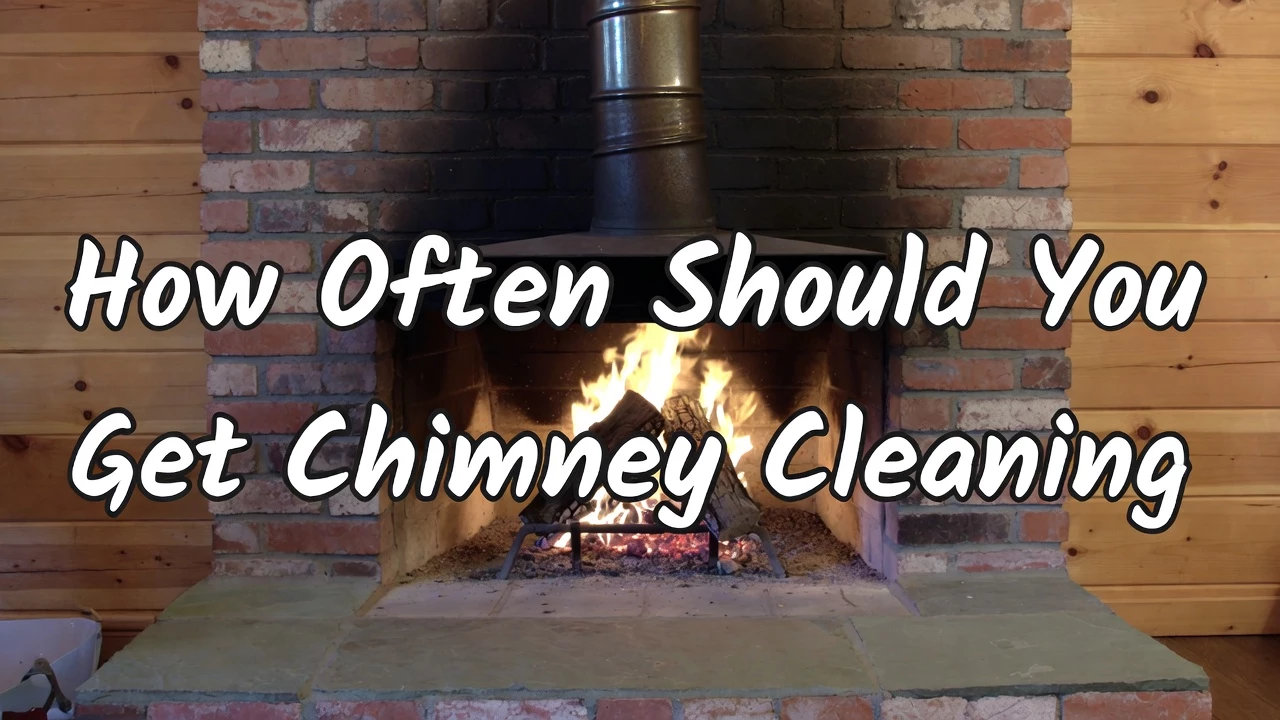
When the chill of winter sets in and you cozy up by the fireplace, the last thing on your mind might be the state of your chimney. But trust me, ignoring it could lead to bigger problems down the line. I've seen homeowners in New Jersey deal with everything from minor soot buildup to full-blown chimney fires, all because they skipped regular maintenance. So, let's dive into the question that's probably brought you here: how often should you get chimney cleaning? Whether you're in a bustling suburb like Edison or a quieter spot in the Pine Barrens, keeping your chimney in top shape isn't just about comfort—it's about safety, efficiency, and avoiding costly repairs.
In this guide, we'll break down the recommended schedules for chimney cleaning, factors that influence how frequently you need it, signs that it's time to call in the pros, and tips tailored to life in New Jersey. We'll also touch on why professional services like those from Chimney Guards make a difference, especially if you're searching for the best chimney sweep NJ. By the end, you'll have a clear plan to keep your home warm and worry-free.
Why Chimney Cleaning Matters More Than You Think
Before we get into the "how often," it's worth understanding why chimney cleaning is non-negotiable. Chimneys aren't just vents for smoke; they're complex systems that handle heat, gases, and debris from your fireplace or wood stove. Over time, creosote—a sticky, flammable byproduct of burning wood—builds up on the inner walls. This stuff is like kindling waiting for a spark, and according to the National Fire Protection Association (NFPA), it's a leading cause of home fires.
In New Jersey, where winters can be harsh and fireplaces get heavy use, this risk amps up. Think about it: a single neglected chimney can release harmful gases like carbon monoxide into your home, or worse, cause structural damage from water leaks if blockages aren't cleared. Regular cleaning removes creosote, bird nests, leaves, and other obstructions, ensuring proper airflow and reducing fire hazards. Plus, a clean chimney burns fuel more efficiently, which means lower heating bills and less pollution—something we all appreciate in an eco-conscious state like ours.
I've talked to folks who've learned this the hard way. One neighbor in Bergen County told me how a small creosote fire scorched their flue liner, costing thousands to fix. Don't let that be you. Chimney cleaning isn't a luxury; it's essential home maintenance, much like changing your HVAC filters or sealing your driveway.
General Guidelines: How Often to Schedule Chimney Cleaning
The short answer? It depends on your usage, but experts like the Chimney Safety Institute of America (CSIA) recommend an annual inspection and cleaning as a baseline. For heavy users—say, if you burn wood every weekend from October through March—you might need it twice a year. Light users who only fire up the hearth for holidays could stretch it to every other year, but never skip the inspection.
Let's break it down by fuel type, since that plays a huge role:
- Wood-Burning Fireplaces and Stoves: These produce the most creosote. If you burn more than three cords of wood per season, aim for cleaning every six months. For occasional use, once a year suffices. In New Jersey, where oak and maple are popular fuels, creosote buildup can happen faster due to their high resin content.
- Gas Fireplaces: Less messy, but still need attention. Annual inspections are key to check for gas leaks or vent blockages from debris. Cleaning might only be needed every two to three years unless you notice issues.
- Oil Furnaces: Similar to gas, but oil produces more soot. Clean every year, especially if your system is older.
- Pellet Stoves: These efficient burners require cleaning every ton of pellets burned, which translates to about once or twice a season for most homes.
Remember, these are guidelines, not hard rules. Your chimney's age, design (like if it's a masonry or prefab model), and even your burning habits matter. For instance, burning wet or unseasoned wood accelerates buildup, so always opt for dry logs to extend the time between cleanings.
Factors That Influence Chimney Cleaning Frequency in New Jersey
Living in the Garden State means dealing with unique environmental factors that can shorten your chimney's "clean" lifespan. Our humid summers and snowy winters create a perfect storm for issues. Moisture from rain or melting snow can mix with soot, forming acidic compounds that eat away at mortar and liners. Add in coastal salt air for folks near the Jersey Shore, and corrosion becomes a real threat.
Usage patterns here are seasonal too. Many New Jerseyans crank up the heat from November to April, leading to rapid creosote accumulation. If you're in a wooded area like Sussex County, animal intrusions—think squirrels or birds nesting in spring—are common, blocking vents and necessitating earlier cleanings.
Home type plays in as well. Older Victorian homes in places like Cape May often have multiple flues that haven't been updated, requiring more frequent checks. Newer builds with stainless steel liners might hold up better, but don't assume they're maintenance-free.
And let's not forget regulations. New Jersey follows NFPA 211 standards, which mandate professional inspections before selling a home or after any chimney-related incident. If you're renting, your landlord might handle it, but as a homeowner, it's on you. Ignoring this could void your insurance if a fire occurs—I've heard horror stories from insurance agents in Trenton about denied claims due to neglected maintenance.
Signs Your Chimney Needs Cleaning Sooner Than Later
Even with a schedule, watch for red flags that scream "clean me now." These aren't subtle:
- Strong Odors: A campfire smell lingering in your home? That's creosote vapors, a sign of buildup.
- Poor Draft: If smoke backs up into the room instead of going up the chimney, blockages are likely.
- Dark Smoke or Slow Burns: Indicates inefficient combustion from a dirty flue.
- Visible Soot or Creosote: Black flakes around the fireplace or on the damper mean it's time.
- Animal Noises or Debris: Scratching sounds? Could be critters or fallen leaves clogging things.
- Water Damage: Leaks around the chimney crown suggest cracks that let moisture in, accelerating deterioration.
If you spot any of these, don't wait for your annual slot. In New Jersey's variable weather, a sudden nor'easter can exacerbate problems, turning a minor issue into an emergency.
DIY Chimney Cleaning: Is It Worth the Risk?
Tempted to grab a brush and do it yourself? I get it—saving money is appealing, especially with New Jersey's high cost of living. Basic kits are available at hardware stores in places like Home Depot in Paramus, and tutorials abound online. For a simple sweep, you might remove loose soot, but pros warn against it for good reason.
DIY often misses hidden issues like cracked liners or structural weaknesses, which require specialized tools like cameras for inspections. Plus, climbing on your roof in icy conditions? Not smart. Falls are a leading cause of home injuries, per the CDC.
Instead, hire certified pros. Look for CSIA certification to ensure they're trained. In New Jersey, services abound, but for reliable chimney cleaning New Jersey options, consider local experts who know our climate. They're equipped to handle everything from creosote removal to cap installations, preventing future problems.
Choosing the Best Chimney Sweep in NJ
Speaking of pros, finding the right one can feel overwhelming. Searches for "best chimney sweep NJ" yield tons of results, but quality varies. Aim for companies with strong reviews on sites like Yelp or Angie's List, and check for insurance and bonding.
One standout in the area is Chimney Guards. They've built a reputation for thorough, affordable services across the state. If you're dealing with persistent issues or just need routine maintenance, their Chimney Sweep NJ team is worth a call. They use modern techniques like video inspections to spot problems early, saving you money long-term.
Costs? Expect $150–$300 for a basic cleaning in New Jersey, depending on chimney height and condition. Add-ons like repairs or waterproofing bump it up, but it's cheaper than rebuilding after a fire.
What Happens During a Professional Chimney Cleaning?
Curious about the process? It's more involved than you might think. A good sweep starts with protecting your home—tarps over furniture, vacuums to contain dust. They inspect the exterior for damage, then use brushes and rods to scrub the flue from top to bottom. High-powered vacuums suck up debris, and a camera check ensures nothing's missed.
In New Jersey, they might also assess for local code compliance, like proper flashing to prevent leaks. The whole thing takes 1–2 hours, leaving you with a report and peace of mind.
Prevention Tips to Extend Time Between Cleanings
Want to space out those appointments? Here's how:
- Burn seasoned wood: Dry it for at least six months to reduce creosote.
- Use a chimney cap: Keeps out rain, animals, and debris—essential in rainy NJ springs.
- Schedule annual inspections: Catch issues early.
- Avoid burning trash or treated wood: They create more residue.
- Install a chimney liner if yours is outdated: Improves draft and safety.
For chimney cleaning NJ specifics, consider our freeze-thaw cycles. Applying a water-repellent sealant to the exterior bricks can prevent cracking from ice expansion.
Common Questions About Chimney Cleaning (People Also Ask)
Based on what folks often search, here are quick answers to related queries:
- How much does chimney cleaning cost in NJ? Typically $200–$400, including inspection. Factors like accessibility influence the price.
- Can I clean my own chimney? Possible for basics, but pros are safer and more thorough.
- What is creosote and why is it dangerous? It's a tar-like substance from incomplete combustion, highly flammable.
- How do I know if my chimney is safe? Annual professional checks are the best way.
- Best time of year for chimney cleaning? Late summer or early fall, before heating season.
These tie into related searches like "chimney cleaning New Jersey" services, emphasizing prevention over cure.
The Impact of Neglected Chimneys on Home Value and Safety
Beyond immediate risks, a dirty chimney can ding your property value. In competitive New Jersey real estate markets like Hoboken or Princeton, buyers demand inspections. A flagged chimney could kill a deal or force price reductions.
Safety-wise, statistics are sobering. The U.S. Fire Administration reports over 25,000 chimney fires annually, many preventable with regular cleaning. In our state, with dense housing, a fire can spread quickly—think row homes in Jersey City.
Eco-Friendly Aspects of Chimney Maintenance
Going green? Clean chimneys burn cleaner, emitting fewer particulates. In New Jersey, where air quality matters (hello, smog from NYC drift), this helps. Opt for EPA-certified stoves and low-emission fuels to minimize your footprint.
Case Studies from New Jersey Homeowners
Take Sarah from Montclair: She skipped cleanings for three years, leading to a $5,000 repair bill after a liner crack. Or Mike in Toms River, who credits annual sweeps from a local pro for catching a bird nest before it caused a backup.
These stories highlight why consistency pays off.
Wrapping It Up: Your Chimney Cleaning Action Plan
So, back to the big question—how often should you get chimney cleaning? Aim for yearly, adjust based on use, and never ignore signs. In New Jersey, with our weather whims, err on the side of caution. Partner with trusted services like Chimney Guards for expert care.