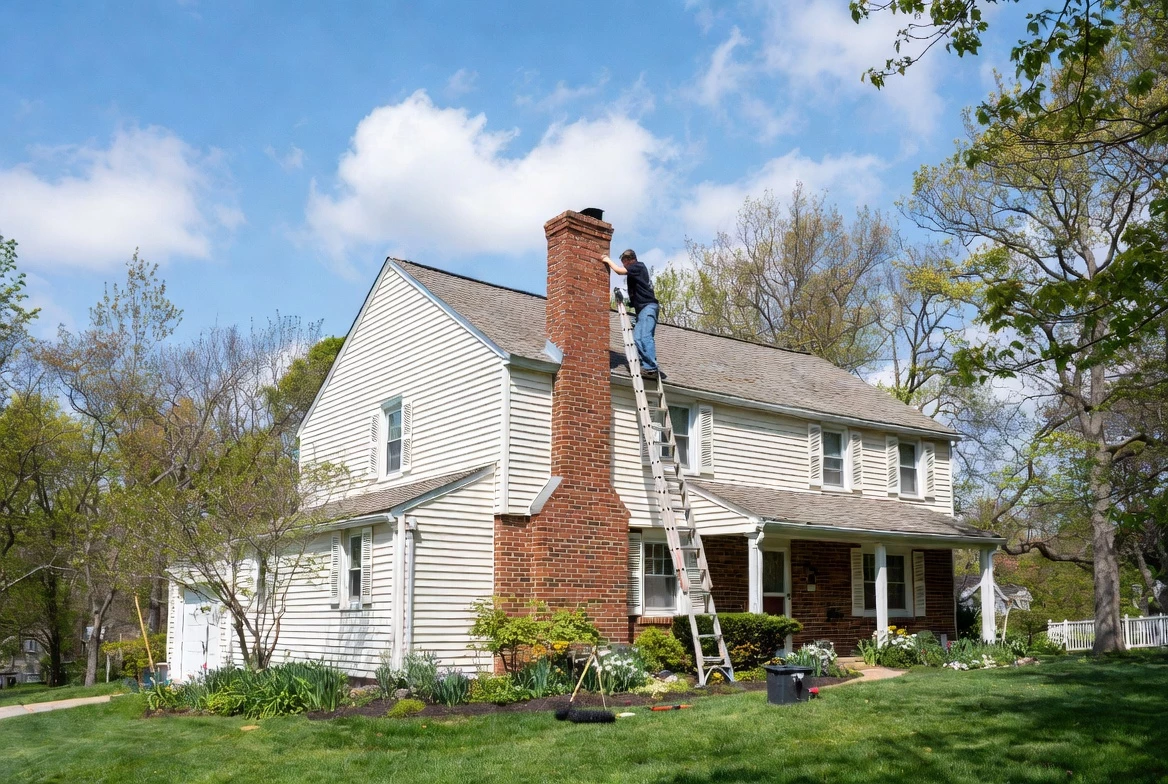
As the last bits of winter finally loosen their grip and the days start stretching longer, most of us in the Northeast are already thinking about swapping out heavy coats for lighter jackets and firing up the grill instead of the fireplace. But before you completely shut down thoughts of fire and warmth for the season, there’s one important task that too many homeowners forget: giving your chimney a proper end-of-season check. I’ve lived in the New York/New Jersey area long enough to see what happens when people skip this step—creosote buildup, critter invasions, and surprise leaks that turn into expensive repairs once the next cold snap hits.
This isn’t just another generic “clean your chimney” article. I’ve put together a thorough, practical checklist based on real-world experience talking with local chimney sweeps, homeowners who learned the hard way, and my own tinkering around our old colonial house here in the Hudson Valley region. We’ll walk through everything step by step so you can do as much as possible yourself while knowing exactly when to call in the pros. And yes, if you’re in New Jersey, the mix of humid summers, freezing winters, and coastal salt air makes these checks even more critical—your chimney takes a beating from all that moisture and temperature swings.
Why Bother with an End-of-Season Inspection?
Most people only think about chimneys when they’re using them. Once the heating season ends, the fireplace gets ignored until next fall. That’s a mistake. During the burning months, creosote (that sticky, flammable tar) builds up inside the flue. Left alone all summer, it hardens and becomes much tougher to remove. Birds, squirrels, and raccoons see an unused chimney as prime real estate for nests. Rain and humidity can seep in through tiny cracks, causing rust, mortar deterioration, and even water damage inside your walls.
In New Jersey especially, with our unpredictable shoulder seasons and high humidity, an unchecked chimney can go from “fine” to “major problem” faster than you’d expect. I’ve heard stories from chimney techs in Bergen and Passaic counties about finding entire bird colonies and water-stained ceilings after homeowners skipped a spring inspection. Catching issues now saves money and keeps your home safer when you light that first fire next October.
Step 1: Visual Exterior Inspection (The Roof-Top Check)
Start from the outside. You’ll need a good ladder, a headlamp, gloves, and someone to spot you—never climb alone.
- Check the chimney crown and cap. The concrete crown at the very top should be sloped so water runs off. Look for cracks wider than a hairline. In New Jersey’s freeze-thaw cycles, these cracks widen fast. If water pools on top, it eventually works its way down.
- Inspect the flashing. Where the chimney meets the roof, the metal flashing should be tight with no gaps or rust. I once found a piece of flashing that had pulled away after a bad nor’easter—water had been pouring straight into the attic for months.
- Look for spalling or loose bricks. Bricks that look crumbly or have white powdery residue (efflorescence) are absorbing too much moisture. Mortar joints should be solid; if you can scrape out mortar easily with a screwdriver, it needs repointing.
- Scan for vegetation. Any moss, vines, or small plants growing in the mortar are a red flag. Roots can split bricks apart over time.
- Condition of the spark arrestor/screen. Make sure it’s intact and not clogged with debris. Birds love to stuff these with twigs.
Take photos of everything. Comparing year-to-year photos helps you spot slow changes before they become big issues.
Step 2: Interior Flue and Fireplace Examination
Once you’re back on solid ground, move inside.
- Remove ashes completely. Don’t just scoop the top layer—vacuum everything out, including the ash pit if your fireplace has one. Leftover ashes can hold moisture and promote rust.
- Inspect the firebox. Look for cracks in the refractory panels or firebrick. Small cracks are normal, but if you can fit a finger in them or see them growing, call a pro. Also check the throat area above the damper.
- Test the damper. It should open and close smoothly without sticking. A stuck damper is a fire hazard and wastes energy. Lubricate the mechanism lightly with high-temp silicone if needed, but don’t overdo it.
- Look up the flue with a strong flashlight or chimney camera. You’re hunting for:
- Creosote buildup (shiny black or flaky)
- Missing or damaged flue tiles
- White or orange staining (signs of water intrusion)
- Nesting material or dead animals
If you see heavy glazed creosote (the shiny, tar-like kind), it’s Stage 3 and highly flammable. Don’t mess with that yourself.
Step 3: Cleaning – DIY or Professional?
For light soot, you can do a basic cleaning with a brush kit from the hardware store. But honestly, for most homes with masonry chimneys, I recommend hiring a certified sweep (CSIA or NFI certified) every year or two. In New Jersey, look for technicians familiar with older Northeast homes—many were built with different flue designs than modern houses.
A good sweep will:
- Use proper tools to remove creosote without damaging the liner
- Perform a Level 2 or 3 inspection if needed (camera down the flue)
- Check the smoke chamber for buildup
- Recommend repairs on the spot
Expect to pay $200–$450 depending on chimney height and condition. It’s worth every penny compared to a chimney fire.
Step 4: Addressing Common Problems Before They Worsen
Water Issues: This is the number one chimney killer. Install or repair a chimney cap with mesh sides. In coastal New Jersey towns, stainless steel caps hold up better against salt air than galvanized ones.
Structural Concerns: If your chimney is leaning even slightly, get it evaluated immediately. I’ve seen 100-year-old chimneys in Orangeburg and surrounding areas start to separate from the house after years of ignored settling.
Liner Condition: Clay tile liners crack over time. Modern homes might have stainless steel liners. Either way, they need to be intact for safe drafting and to contain heat.
Carbon Monoxide Risks: Install or replace CO detectors on every level, especially near bedrooms. A blocked or damaged flue can send deadly gases back into your living space.
Step 5: Seasonal Maintenance Beyond the Big Checklist
Don’t stop after one spring cleaning. Throughout the off-season:
- Keep the damper closed when not in use to prevent drafts and critters.
- Check the exterior after big storms.
- Trim nearby trees—branches rubbing against the chimney cause mortar damage.
- Consider a dryer vent and bathroom exhaust cleaning at the same time for whole-house air quality.
For wood stove or insert owners, the checklist is similar but includes removing and inspecting the stovepipe sections.
Real-Life Stories from the Area
Last spring I helped a neighbor in Rockland County (just over the NJ border) who hadn’t touched his chimney in six years. We found a massive squirrel nest, several cracked flue tiles, and enough creosote to start a campfire. The sweep quoted $1,200 for repairs that could have been avoided with annual checks. Another friend in Morris County discovered water damage behind his drywall after a heavy rain—turned out the crown had a hairline crack that widened during winter.
These aren’t rare cases. Chimney professionals across New Jersey report increased calls every year from homeowners dealing with deferred maintenance, especially after the heavy snow seasons we’ve had lately.
Tools and Safety Gear You’ll Actually Need
- Sturdy extension ladder rated for your weight plus tools
- Roof harness if you’re going high
- Powerful flashlight or wireless chimney inspection camera (they’re surprisingly affordable now on Amazon)
- Shop-vac with HEPA filter for ashes
- Brick hammer, tuckpointing tools if doing minor repairs
- Safety glasses, dust mask (N95 at minimum), work gloves
Never use chemical cleaners that claim to “remove creosote magically.” They mostly push the problem further up the flue or create toxic runoff.
When to Call a Professional Immediately
Skip the DIY if you notice:
- Strong smoky smell when the fireplace isn’t lit
- Visible cracks running through multiple bricks
- White staining that keeps returning after cleaning
- Animals sounds in the chimney
- Difficulty getting a good draft even with the damper open
In New Jersey, search for CSIA-certified sweeps through the Chimney Safety Institute of America website. Read reviews and ask if they carry proper insurance—some “cheap” guys cut corners on both work and coverage.
Long-Term Benefits of Staying on Top of This
A well-maintained chimney:
- Increases your home’s resale value (buyers love documentation of chimney service)
- Improves energy efficiency
- Reduces fire risk dramatically
- Protects indoor air quality
- Gives you peace of mind when you do enjoy a cozy fire
I treat chimney care like changing the oil in my car—routine maintenance prevents breakdowns. Over the years I’ve probably saved thousands by catching small issues early.
Bonus Tips Specific to Northeast Homes
Older brick chimneys in New Jersey and New York often have unlined sections or outdated dampers. If your house was built before 1980, seriously consider a full inspection every two years. Also, watch for ice damming effects—melting snow that refreezes can push water under flashing.
If you burn a lot of softwoods or use your fireplace heavily, you might need more frequent cleanings. Hardwoods like oak and maple produce less creosote, but nothing eliminates it completely.
Wrapping It Up – Make This Checklist a Habit
Print this out or save it on your phone. Take your time this spring when the weather is nice and you’re already doing yard work. Spend one focused afternoon on the chimney and you’ll sleep better all summer knowing your home is safer.
Your chimney works hard all winter protecting your family and keeping you warm. The least we can do is give it some attention before we ignore it for six months. Whether you handle most of it yourself or bring in a local New Jersey pro, the important thing is doing the check.
Stay safe, keep that flue clean, and enjoy the warmer months ahead. When fall rolls around again, you’ll be glad you took care of things now. Your future self (and your wallet) will thank you.