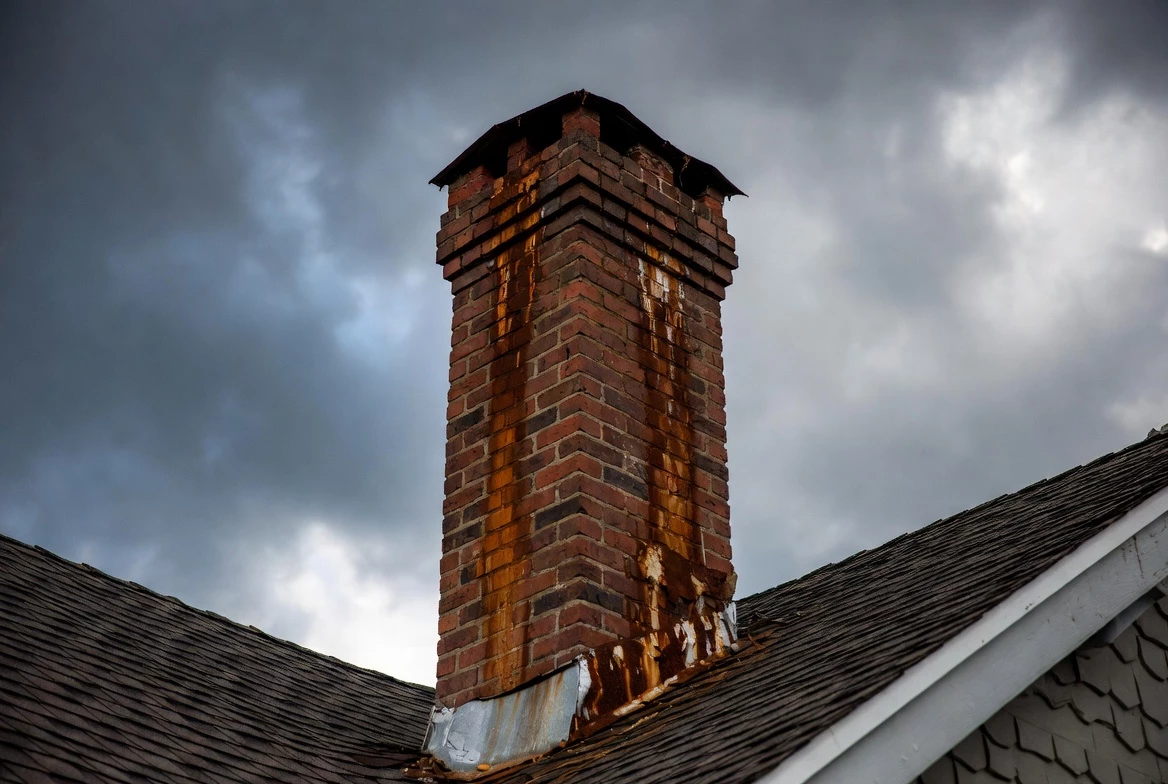
Over the past two decades, I've climbed more ladders, crawled through more tight spaces, and stared at more rusted metal than most people ever will. As a chimney professional with 20 years of hands-on experience servicing homes across different climates, I've seen chimney rust turn from a small annoyance into a major safety nightmare for countless families. It's one of those problems that sneaks up quietly—until it doesn't. If you're noticing orange-brown streaks on your chimney, flaky metal, or that telltale musty smell when the fireplace runs, this guide is for you.
Chimney rust isn't just cosmetic. It can compromise the structural integrity of your entire chimney system, affect indoor air quality, and even create fire hazards. In this comprehensive article, we'll dive deep into what causes chimney rust, why it's more dangerous than most homeowners realize, how to spot it early, the best repair approaches, and—most importantly—how to prevent it from coming back. Whether you're a DIY enthusiast or ready to call in the pros, you'll walk away with practical, battle-tested advice.
Understanding Chimney Rust: More Than Just Surface Corrosion
Rust on a chimney is the visible result of oxidation—iron or steel in the chimney components reacting with oxygen and moisture. But it's rarely just "a little rust." Modern chimneys often include metal liners, dampers, caps, and flashing made of galvanized steel or stainless steel. When the protective coating wears off, rust sets in fast.
From my experience, the most common areas affected are:
- The chimney cap and crown
- Flashing where the roof meets the chimney
- The smoke chamber and damper
- Mortar joints with embedded metal ties
- Prefabricated metal chimney pipes
I've inspected homes where homeowners thought the rust was only on the exterior cap, only to discover the liner inside was heavily corroded after a thorough camera inspection. That's why visual checks from the ground are never enough.
Primary Causes of Chimney Rust
After fixing hundreds of rusted chimneys, I've identified the main culprits. Understanding these helps you address the root problem instead of just treating symptoms.
1. Moisture Intrusion – The #1 Enemy
Water is rust's best friend. Poorly maintained chimney caps allow rain and snow to enter directly. I can't count how many times I've removed a damaged or missing cap only to find the liner looking like it had been sitting at the bottom of a lake.
Condensation is another silent killer, especially in homes with high-efficiency furnaces or wood stoves that produce cooler exhaust gases. When warm, moist air meets cold metal surfaces inside the chimney, condensation forms and accelerates corrosion.
2. Acidic Byproducts from Combustion
Burning wood, coal, or even certain gas appliances releases acidic compounds like creosote, sulfur, and chlorides. These acids eat away at metal over time. Older homes with unlined chimneys or damaged liners are particularly vulnerable. In my early years, I worked on many 1950s-1970s homes where the original metal liners had almost completely disintegrated due to decades of acidic buildup.
3. Poor Installation and Substandard Materials
I've seen plenty of DIY or low-budget installations using the wrong gauge metal or incompatible materials. Galvanized steel works well initially but fails faster than 316-grade stainless steel in harsh environments. Improper flashing seals also create entry points for water.
4. Environmental Factors
Coastal areas with salt air, regions with heavy industrial pollution, or places with frequent freeze-thaw cycles see rust problems much earlier. One client in a coastal town had significant rust after just eight years, while a similar system inland lasted over 25 years.
5. Neglected Maintenance
This is the most preventable cause. Skipping annual inspections allows small issues to snowball. A small crack in the crown or a loose cap can lead to massive internal damage within a couple of seasons.
The Hidden Dangers of Chimney Rust
Many homeowners underestimate rust until it's too late. Here's what I've witnessed firsthand:
Structural Failure Risk
Rust weakens metal components. A heavily rusted damper can fail to close properly, allowing sparks to escape into the attic or causing downdrafts that fill your home with smoke. In extreme cases, I've seen liners so corroded they collapsed inward, blocking the flue entirely.
Carbon Monoxide Poisoning
This is the most frightening danger. A compromised chimney liner allows deadly carbon monoxide to leak into living spaces. I've worked with families who had CO detectors going off repeatedly before discovering rusted-through sections in the flue. Never ignore this risk—it's silent and lethal.
Fire Hazards
Rusted areas create hot spots and gaps where creosote and soot can accumulate in dangerous ways. Flames can escape through compromised joints. One particularly memorable job involved a chimney fire that started because rust had created a pathway for embers to reach wooden framing.
Water Damage and Mold
Rust often signals ongoing moisture problems that lead to mold growth in walls, attics, and crawl spaces. I've seen entire chimney breasts ruined by years of undetected leaks.
Decreased Home Value and Insurance Issues
Insurance companies are getting stricter. A rusted chimney can lead to denied claims or higher premiums. When selling a home, buyers' inspectors will flag it immediately.
How to Inspect Your Chimney for Rust
Don't wait for problems. Here's my step-by-step inspection routine that I've taught many homeowners:
Exterior Check (Do this safely from the ground first):
- Look for rust stains running down the brick or siding
- Check if the cap is secure and free of rust holes
- Examine flashing for gaps or lifted edges
- Note any white efflorescence or crumbling mortar near metal parts
Interior Inspection:
- With the fireplace cold, use a strong flashlight to look up the flue
- Check the damper for rust and proper operation
- Remove the smoke shelf if accessible to inspect the smoke chamber
Professional Tools I Recommend:
- Chimney camera (snake camera) for detailed internal views
- Moisture meter for surrounding masonry
- Level to check for settling or tilting
If you see anything suspicious, stop and call a certified chimney sweep. Climbing on roofs or into chimneys without proper training and equipment is extremely dangerous.
Effective Repair Solutions for Chimney Rust
Repair approaches depend on the extent of the damage. Here's what works based on real-world results:
Minor Surface Rust For light surface rust on caps or accessible metal:
- Wire brush or sand carefully
- Apply high-temperature rust converter
- Finish with heat-resistant paint rated for chimneys
Moderate Damage
- Replace the chimney cap entirely (stainless steel is best)
- Repair or replace flashing with proper step flashing and counterflashing
- Patch small liner holes with specialized compounds (temporary fix only)
Severe Corrosion This is where experience matters most. Options include:
- Full stainless steel liner installation (my go-to recommendation for most older chimneys)
- Pouring a new cast-in-place liner
- Complete chimney rebuild in extreme cases
I've installed hundreds of stainless steel liners over the years. When done correctly, they last decades and dramatically improve draft and safety. The process involves removing the old damaged liner, cleaning the flue thoroughly, and pulling the new liner through with proper insulation.
Cost Considerations Expect to pay $1,500–$4,000 for cap and flashing repairs, while a full liner installation typically runs $3,000–$8,000 depending on height and complexity. It’s far cheaper than dealing with fire damage or CO poisoning.
Prevention: Keeping Rust Away for Good
Prevention is always better than cure. My top recommendations after 20 years:
- Install Quality Components – Invest in 316 stainless steel caps and liners from the start.
- Annual Professional Inspections – Schedule them every year, preferably before winter.
- Proper Burning Practices – Burn well-seasoned hardwood, avoid treated wood or trash.
- Maintain the Crown and Flashing – Seal cracks promptly with appropriate mortar or sealant.
- Consider Chimney Caps with Mesh – These keep animals out while allowing proper ventilation.
- Monitor Indoor Humidity – Use dehumidifiers if needed to reduce condensation.
- Upgrade to Modern Appliances – High-efficiency units may require specific liner types.
Real-World Case Studies from My Experience
Case 1: The Coastal Nightmare A client in a seaside community ignored rust stains for years. By the time they called, the liner was 70% gone. We installed a new stainless liner and proper cap. Two years later, the system is still perfect while neighbors continue having issues.
Case 2: The Condensation Problem A family with a new high-efficiency furnace kept getting smoke backdraft. Inspection revealed heavy condensation rust inside the existing liner. Switching to an appropriately sized insulated liner solved it completely.
Case 3: The DIY Disaster A homeowner tried fixing rust himself with cheap paint. It failed within one season, leading to more extensive (and expensive) repairs. Lesson: sometimes professional work saves money long-term.
Choosing the Right Professional
Not all chimney technicians are equal. Look for:
- CSIA certification (Chimney Safety Institute of America)
- Years of experience specifically with rust and liner issues
- Proper insurance and references
- Transparent pricing with detailed reports
Ask pointed questions about their experience with your specific chimney type.
Final Thoughts: Don't Ignore Chimney Rust
After two decades in this trade, I've learned that chimney rust is rarely just a surface issue. It’s a symptom of underlying problems that, if left unaddressed, can put your home and family at risk. The good news is that with proper knowledge and timely action, most rust problems are fixable and preventable.
Take action today. Start with a thorough visual inspection. If you spot any warning signs, don't hesitate to consult a qualified professional. Your chimney is one of the most critical safety systems in your home—treat it with the respect it deserves.
If you have questions about your specific situation or want recommendations for your area, feel free to reach out in the comments. I've helped thousands of homeowners, and I'm happy to share more insights based on real experience.
Stay safe, burn smart, and keep that chimney in top condition.