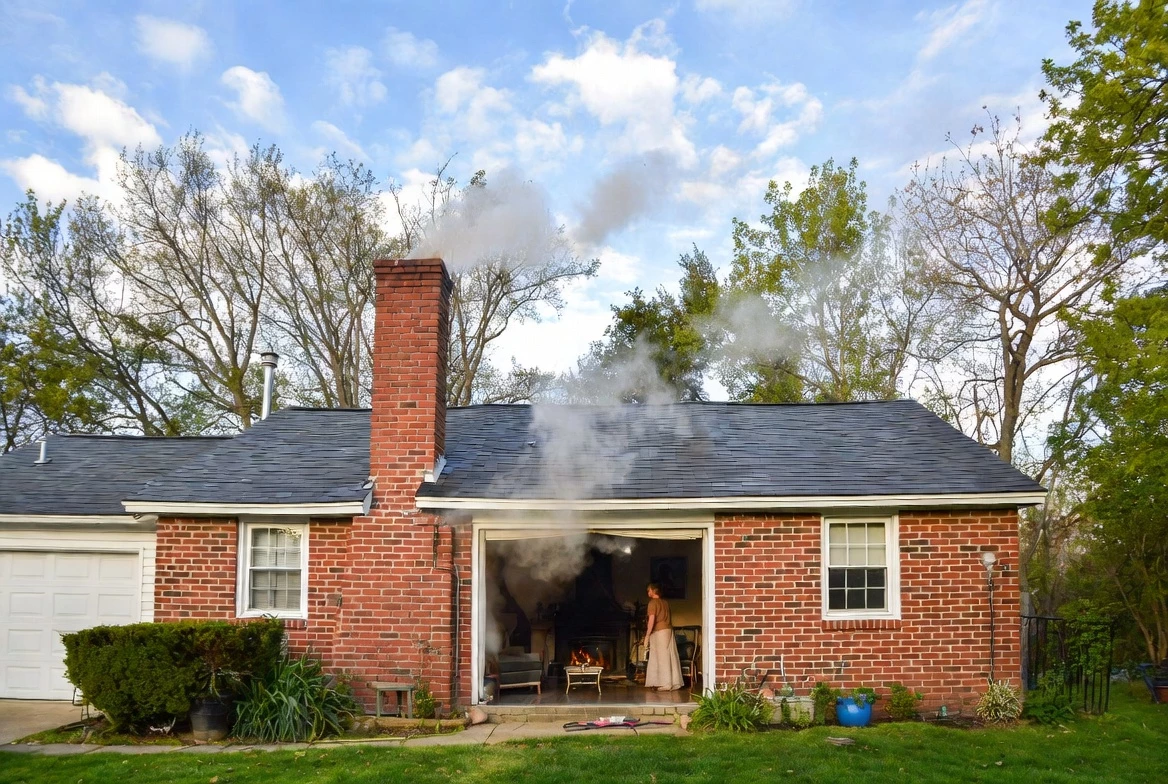
There's nothing quite like cozying up by a roaring fire on a chilly evening in New Jersey, but what happens when your chimney decides to rebel? Instead of smoke gracefully wafting up and out, it billows back into your living room, turning your relaxing night into a smoky nightmare. If you've ever wondered, "Why is my chimney not drawing smoke up?" you're not alone. This frustrating issue, often called poor chimney draft, can stem from a variety of problems. In this in-depth guide, we'll dive into the eight most common causes, along with practical solutions to get your fireplace back in action. Whether you're dealing with fireplace smoking problems and solutions or looking to increase chimney draft naturally, we've got you covered.
As a longtime resident of the Garden State, I've seen my fair share of chimney woes, especially during those harsh winters when everyone cranks up their wood stoves. Chimneys are more than just architectural features; they're essential for safe venting of smoke, gases, and heat. A proper draft relies on the principle of hot air rising, creating negative pressure that pulls smoke upward. But when that system fails, it can lead to inefficiency, health hazards from carbon monoxide, and even fire risks. If you're in New Jersey and suspect structural issues, reaching out to local experts for chimney repair nj might be your best bet to avoid bigger problems down the line.
Before we jump into the causes, let's touch on some basics. Chimney draft issues aren't just annoying—they can signal underlying problems that need professional attention. And if you're firing up a wood stove, knowing how to increase chimney draft in a wood stove can make all the difference in efficiency and safety. We'll explore natural methods and when it's time to call in the pros, like those at Chimney Guards, who specialize in keeping New Jersey homes warm and safe.
Understanding Chimney Draft: The Basics
To fix a problem, you first need to understand it. Chimney draft is essentially the flow of air through your flue that carries combustion byproducts out of your home. It's influenced by factors like temperature differences, chimney height, and even the design of your fireplace. When the draft is weak, smoke doesn't exit properly, leading to backpuffing or spillage.
In New Jersey, where weather can swing from humid summers to freezing winters, environmental factors play a big role. High winds off the Atlantic or pressure changes from storms can exacerbate draft problems. If you've noticed your fireplace smoking more after a cold snap, it could be due to a cold flue not warming up fast enough. Simple tricks, like opening a nearby window briefly to equalize pressure, can help, but persistent issues often point to one of the causes below.
Now, let's break down those eight common culprits. For each, I'll explain why it happens, how to spot it, and steps to resolve it—focusing on DIY where possible and when to seek fireplace repair nj services.
1. Blockages in the Chimney
One of the most straightforward yet overlooked causes of a chimney not drawing smoke is a good old-fashioned blockage. Over time, debris like leaves, twigs, or even animal nests can accumulate in the flue. Birds, squirrels, and raccoons love New Jersey's chimneys as cozy hideouts, especially in suburban areas like Pec or around the Pine Barrens.
How do you know? If smoke backs up immediately upon lighting a fire, or if you hear unusual noises from the chimney, a blockage might be the issue. I've had friends in NJ who ignored faint scratching sounds, only to find a family of birds had set up shop.
Solutions start with prevention: Install a chimney cap to keep critters and debris out. For existing blockages, a visual inspection with a flashlight from the top (safely, of course) can reveal issues. If it's minor, a chimney brush might clear it, but for safety, hire professionals. In New Jersey, regulations require certified sweeps, and companies like Chimney Guards offer thorough cleanings as part of their chimney repair nj packages. Expect to pay $150–$300 for a basic sweep, depending on your location—cheaper than dealing with a house fire.
To increase chimney draft naturally here, ensure regular cleanings every year, especially if you burn wood frequently. This not only clears blockages but also removes creosote, which we'll cover later.
2. Insufficient Chimney Height
Chimneys need to be tall enough to create adequate draft—typically at least 3 feet above the roofline and 2 feet higher than any structure within 10 feet. If yours is too short, especially on older New Jersey homes built before modern codes, it won't pull smoke effectively. Wind currents over the roof can create downdrafts, pushing smoke back down.
Spotting this: Persistent smoking issues on windy days or when neighboring buildings cast shadows. In urban spots like Newark or Jersey City, taller adjacent structures can worsen this.
Fixing it might involve extending the chimney with a liner or cap extension. This isn't a DIY job—structural integrity is key. Look for chimney repair experts near me who understand local building codes. Costs can range from $500 to $2,000, but it's a one-time investment. For natural boosts, plant windbreaks like trees to deflect gusts, though that's more of a long-term strategy.
3. Downdraft from Wind and Weather
Speaking of wind, New Jersey's coastal breezes can create powerful downdrafts, forcing air down the chimney instead of up. This is common in homes near the shore or on hilltops where wind patterns are unpredictable.
Symptoms include smoke puffing back intermittently, especially during storms. One winter, a neighbor in Atlantic County had this issue so bad they couldn't use their fireplace at all during high winds.
Natural solutions: Install a wind-directional cap that rotates to block incoming gusts. These are affordable ($100–$200) and effective. To increase chimney draft naturally, preheat the flue by burning newspaper before starting your main fire—this creates an initial updraft. If problems persist, consult best chimney repair experts for a site-specific assessment.
4. Cold Chimney Syndrome
A cold chimney is like a sluggish engine—it needs warming up to perform. In unheated New Jersey basements or during off-seasons, the flue stays chilly, and cold air sinks, blocking the draft.
How to tell: Smoke issues at the start of a fire that improve as things heat up. This is a classic fireplace smoking problem and solution scenario.
Warm it up naturally by rolling up newspaper and burning it in the flue opening for a minute or two. Insulating the chimney liner can help retain heat longer. For wood stoves, how to increase chimney draft in wood stove often involves adding a blower fan to force air up. If your liner is damaged, that's where fireplace repair nj comes in—relining costs $1,000–$3,000 but ensures efficiency.
5. House Pressure Imbalances
Modern homes are airtight for energy efficiency, but that can create negative pressure inside, sucking air (and smoke) back through the chimney. Appliances like exhaust fans, dryers, or even central vacs exacerbate this.
Signs: Smoke worsens when other vents are on. In New Jersey's energy-conscious builds, this is increasingly common.
Solutions: Crack a window near the fireplace to introduce makeup air. Install a fresh air intake vent for balance. For chronic issues, a professional audit from chimney repair experts cost around $200–$500, including pressure testing.
6. Damaged or Missing Chimney Liner
The liner protects the chimney walls and aids draft by providing a smooth path for smoke. Cracks, gaps, or absence (in older masonry chimneys) disrupt flow.
Detection: Visible soot buildup inside the home or unusual odors. Annual inspections are crucial in NJ's variable climate, where freeze-thaw cycles crack liners.
Repair involves relining with stainless steel or clay tiles. Chimney Guards, a trusted name in New Jersey, handles this expertly as part of their services. Budget $2,000–$5,000, but it prevents costly water damage and improves draft.
7. Improper Flue Size or Design
If the flue is too large or small for your fireplace or stove, draft suffers. Oversized flues cool smoke too quickly; undersized ones restrict flow.
Common in retrofitted wood stoves: How to increase chimney draft in wood stove? Match the flue to the appliance size per manufacturer specs.
Fix: Resize or install a damper to control airflow. Professional consultation is key—chimney repair experts near me can measure and advise.
8. Creosote Buildup
Creosote, a tarry residue from burning wood, narrows the flue and insulates it, reducing draft. It's highly flammable, too.
Spot it: Glazed black deposits during inspections. Burn dry, seasoned wood to minimize buildup.
Clean regularly: Chemical logs help, but pro sweeps are best. In NJ, aim for annual service to stay safe.
Fireplace Smoking Problems and Solutions: A Deeper Dive
Beyond the causes, let's address common queries. If your chimney not drawing smoke up persists, check for multiple issues stacking up. For natural draft boosts, ensure good airflow around the home and use hot-burning fuels.
How to increase chimney draft naturally: Prime the flue, use dry wood, and maintain height. For wood stoves, add insulation or a draft inducer fan.
When to Call the Pros: Finding Chimney Repair Experts
DIY has limits. For serious issues, search for best chimney repair experts in New Jersey. Chimney repair experts cost varies—inspections $100–$200, full repairs $500+. Look for certified pros near you; Chimney Guards stands out for their comprehensive approach, covering everything from sweeps to rebuilds.
FAQs on Chimney Draft Issues
- Why is my chimney not drawing smoke up? Often blockages or cold flues—start with a clean and preheat.
- What are fireplace smoking problems and solutions? From pressure imbalances to liners; balance air and inspect annually.
- How to increase chimney draft naturally? Preheat, use caps, and ensure height.
- How to increase chimney draft in wood stove? Match flue size, add fans, burn hot.
Conclusion: Keep Your New Jersey Home Smoke-Free
Dealing with a chimney not drawing smoke can be frustrating, but understanding these eight causes empowers you to act. From simple natural tweaks to professional interventions, solutions abound. If you're in New Jersey, don't hesitate to contact local specialists like Chimney Guards for chimney repair nj or fireplace repair nj. Stay warm, stay safe, and enjoy those fireside moments without the haze.