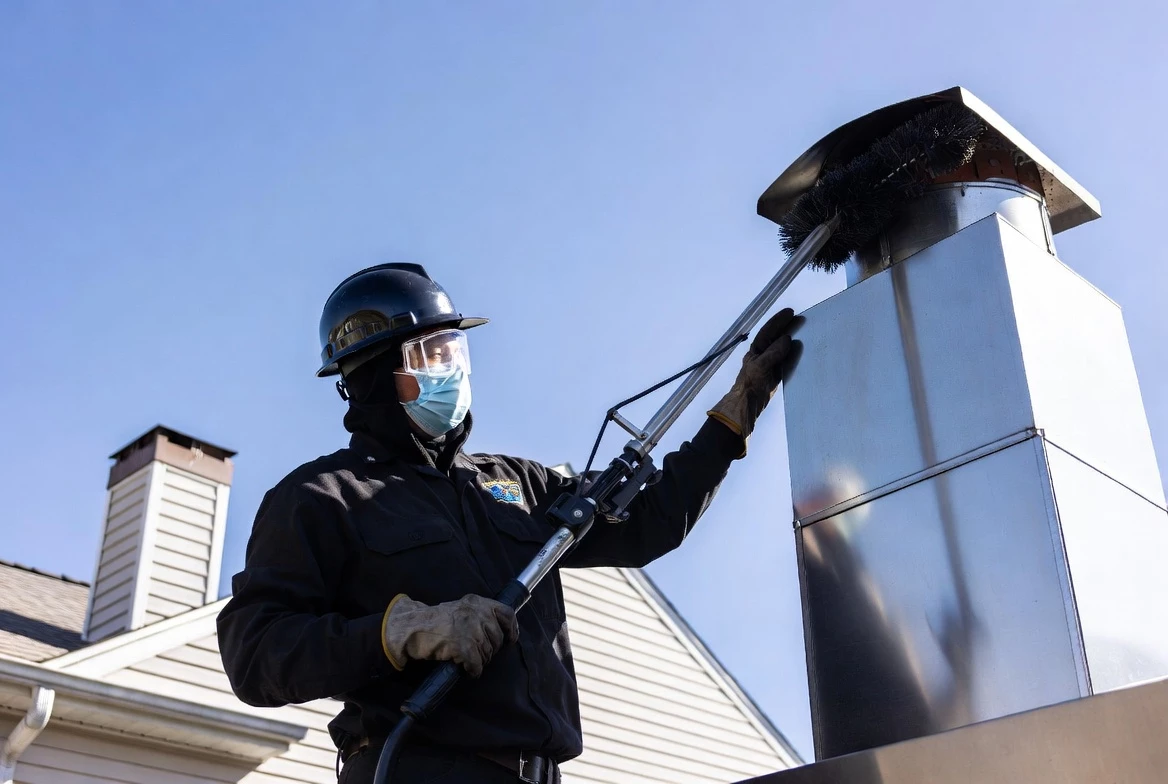
Chimney Cleaning for Gas Fireplaces: What You Need to Know
Gas fireplaces have become a popular choice for homeowners in New Jersey seeking efficient, convenient, and clean-burning heat without the hassle of chopping wood or dealing with heavy soot. However, many assume that because gas fireplaces burn cleaner than traditional wood-burning ones, their chimneys or venting systems require little to no maintenance. This is a common misconception that can lead to reduced efficiency, safety hazards, and costly repairs down the line.
At Chimney Guards NJ, we’ve helped countless New Jersey families maintain safe and reliable gas fireplace systems for over a decade. In this comprehensive guide, we’ll cover everything you need to know about chimney cleaning for gas fireplaces—from understanding your venting system to recognizing when professional service is essential. Whether you’re a new homeowner or have been enjoying your gas fireplace for years, proper care is key to maximizing performance and protecting your home.
Why Gas Fireplaces Still Need Chimney and Vent Maintenance
Unlike wood-burning fireplaces, which produce creosote and significant soot, gas fireplaces combust natural gas or propane more completely. This results in fewer solid byproducts. However, they are not maintenance-free. Combustion byproducts from gas include water vapor, carbon dioxide, and trace amounts of sulfur compounds or other residues that can still accumulate over time.
Key reasons maintenance matters:
- Debris and Blockages: Birds, rodents, leaves, and nests can obstruct vents, especially in B-vent or direct-vent systems common in New Jersey homes.
- Condensation and Corrosion: Water vapor from gas combustion can condense in cooler sections of the flue, leading to acidic buildup that corrodes metal liners or damages masonry if not properly vented.
- Efficiency Loss: Even minor restrictions reduce draft and heating performance, causing higher gas bills and uneven flames.
- Safety Risks: Poor venting can lead to carbon monoxide (CO) backdrafting into living spaces—a silent killer. Annual inspections help prevent this.
The National Fire Protection Association (NFPA) and chimney professionals recommend annual inspections for all fuel-burning appliances, including gas systems. Professional cleaning ensures optimal airflow and early detection of issues.
Understanding Gas Fireplace Venting Systems
Not all gas fireplaces use traditional masonry chimneys. Knowing your system type is crucial for proper cleaning and maintenance.
1. Direct Vent Gas Fireplaces
These are sealed systems that vent directly through the wall or roof using a coaxial pipe (intake and exhaust in one). They draw combustion air from outside, making them highly efficient and safe. Cleaning focuses on the vent pipe, glass, and burner assembly rather than a full chimney sweep.
2. B-Vent (Natural Draft) Systems
Common in older conversions or inserts, these use a single-wall or double-wall pipe connected to a chimney. They rely on natural draft and may require more thorough flue cleaning.
3. Masonry Chimney with Gas Logs or Insert
Many New Jersey homes have gas logs installed in existing brick chimneys. These often need liner inspection because gas exhaust can be corrosive to unlined masonry.
Pro Tip: During a professional service from Chimney Guards NJ, our technicians identify your venting type and tailor the cleaning process accordingly. Visit our chimney inspection services for details.
How Often Should You Clean Your Gas Fireplace Chimney?
Annual professional cleaning and inspection is the gold standard. Even with minimal use, seasonal changes in New Jersey—cold winters, humid summers, and wildlife activity—can introduce problems.
Factors that may require more frequent attention:
- High usage (daily during winter)
- Older systems (pre-2000 installations)
- Visible signs like odors, weak flames, or soot on glass
- Homes near wooded areas prone to debris or animal intrusion
Homeowners can perform basic monthly upkeep, but only certified professionals should handle internal venting and flue components.
Step-by-Step Guide to Basic Gas Fireplace Maintenance (DIY)
While professional service is non-negotiable for the venting system, you can safely handle surface-level care between visits. Always turn off the gas supply and let the unit cool completely first.
- Clean the Glass Doors: Use a non-abrasive fireplace glass cleaner. Avoid household cleaners that can leave residues affecting the flame.
- Vacuum the Burner and Logs: Use a soft-brush vacuum attachment to remove dust from ceramic logs and burner ports. Never use water on logs unless specified by the manufacturer.
- Inspect Louvers and Air Vents: Clear dust and pet hair from intake/exhaust areas to maintain proper airflow.
- Check the Pilot Light: Ensure it’s clean and burning steadily. A weak or yellow flame may indicate dirt or a venting issue.
- Test Carbon Monoxide Detectors: Replace batteries and verify functionality monthly.
Important Safety Note: Do not attempt to clean internal flue pipes or disassemble gas lines yourself. Improper handling can void warranties or create leaks.
For detailed visual guidance, many manufacturers provide model-specific manuals.
When to Call a Professional: Signs Your System Needs Attention
Contact Chimney Guards NJ immediately if you notice:
- Unusual odors (rotten eggs or exhaust smell)
- Soot or black staining around the fireplace or vents
- Reduced heat output or flames that flicker excessively
- Condensation or water stains near the vent
- Audible noises from animals in the chimney
- Frequent pilot light outages
These symptoms often indicate blockages, corrosion, or draft problems that DIY methods cannot resolve.
The Professional Chimney Cleaning Process for Gas Systems
At Chimney Guards NJ, our certified technicians follow a thorough, multi-step process:
- Level 1-3 Inspections: Using cameras and specialized tools to assess the entire venting pathway.
- Debris Removal: Safe extraction of nests, leaves, and any accumulated residues.
- Vent Pipe Cleaning: Brushing and vacuuming B-vents or direct-vent components.
- Burner and Log Servicing: Deep cleaning for optimal combustion.
- Liner and Masonry Check: Critical for homes with traditional chimneys.
- Safety Testing: Draft measurement, CO detection, and gas leak checks.
- Recommendations: Honest advice on repairs, liners, or upgrades.
Our services comply with industry standards and New Jersey building codes. Many of our clients also check our reputation on trusted sites like BBB.org.
Benefits of Regular Professional Maintenance
- Improved Efficiency: Clean systems use less gas while providing more heat.
- Extended Lifespan: Prevent costly damage to burners, liners, and fireboxes.
- Enhanced Safety: Reduce risks of carbon monoxide poisoning and fire hazards.
- Peace of Mind: Especially important for families in New Jersey’s variable climate.
- Warranty Protection: Many manufacturers require annual servicing.
Common Issues in New Jersey Gas Fireplaces and How to Address Them
New Jersey’s humid summers and freezing winters pose unique challenges:
- Corrosion from Condensation: Common in improperly sized or insulated vents.
- Wildlife Intrusions: Squirrels and birds love chimneys.
- Aging Liners: Many older homes need stainless steel liners for gas conversions.
- Oil-to-Gas Conversions: We frequently handle these transitions—see our oil to gas conversion services.
Our team provides tailored solutions, including chimney caps, dampers, and full masonry repairs.
Choosing the Right Chimney Service Provider in NJ
Look for:
- CSIA certification or equivalent credentials
- Local experience with New Jersey homes
- Comprehensive insurance and licensing
- Transparent pricing and detailed reports
- Positive reviews on BBB.org and local platforms
Chimney Guards NJ stands out with years of trusted service across the state, from Emerson and surrounding areas. We offer free quotes and prioritize customer education.
Preventive Measures and Long-Term Care
- Install chimney caps and spark arrestors.
- Schedule service in spring or fall before peak seasons.
- Consider annual service plans for convenience.
- Upgrade to modern direct-vent systems if your current setup is outdated.
- Maintain surrounding roofing and flashing—our team handles integrated services.
Conclusion: Invest in Safety and Comfort
Chimney cleaning for gas fireplaces is not just about cleanliness—it’s about protecting your home, family, and investment. Don’t wait for problems to arise. Regular professional care ensures your gas fireplace remains a reliable, efficient, and safe feature of your New Jersey home.
Ready to schedule your inspection or cleaning? Contact the experts at Chimney Guards NJ today. Visit chimneyguardsnj.com or call us to book your appointment. Your comfort and safety are our priority.