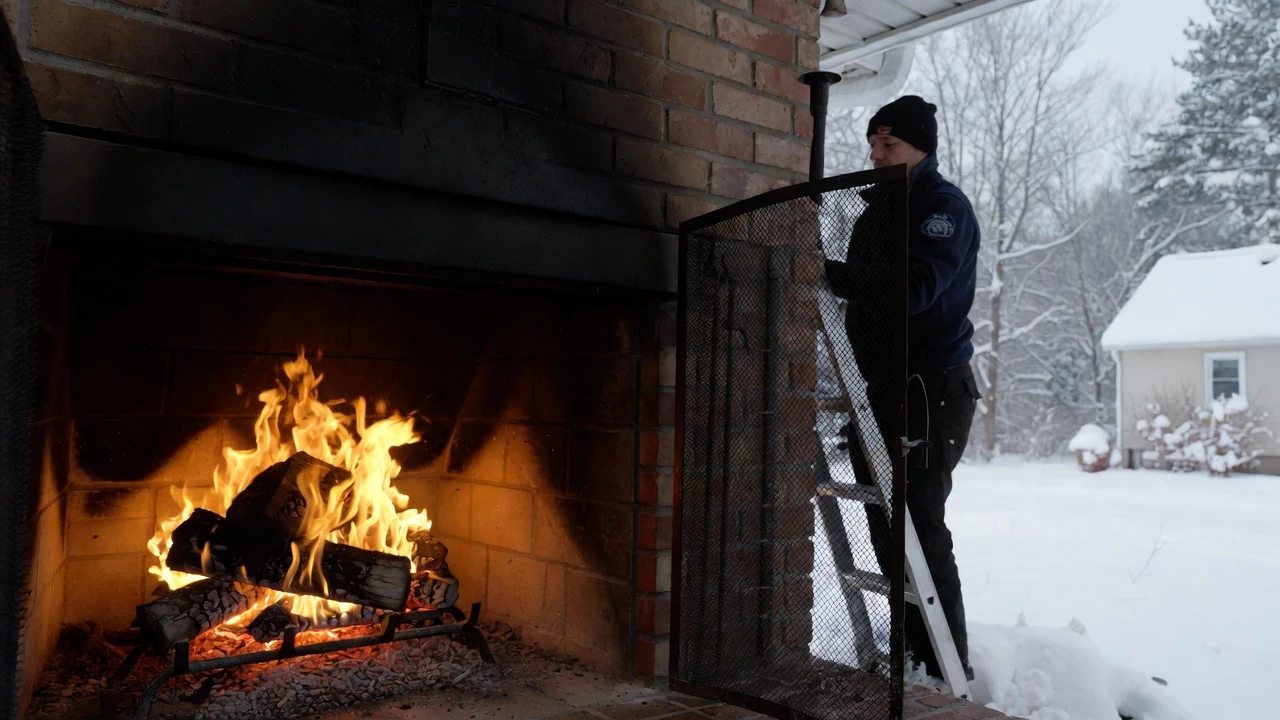
As a New Jersey homeowner, there's nothing quite like cozying up by the fireplace on a crisp winter evening, watching the snow blanket the Garden State outside your window. But let's be real—our state's harsh winters, with their freezing temperatures, heavy snowfall, and occasional nor'easters, put a lot of strain on our homes, especially the chimney. I've lived in NJ for years, and I've seen firsthand how neglecting chimney maintenance can lead to costly repairs, safety hazards, or even house fires. That's why an annual chimney maintenance checklist isn't just a good idea; it's essential for keeping your family safe and your home efficient.
In this comprehensive guide, we'll dive deep into everything you need to know about maintaining your chimney as a New Jersey resident. We'll cover the why, the how, and the when, with a detailed checklist you can follow year-round. Whether you're in Bergen County dealing with suburban sprawl or down in Cape May enjoying coastal vibes, these tips are tailored to our unique climate and local regulations. By the end, you'll feel confident tackling basic upkeep and knowing when to call in the pros. Let's get started—because a well-maintained chimney isn't just about warmth; it's about peace of mind.
Why Annual Chimney Maintenance Matters in New Jersey
New Jersey's weather is no joke. We swing from humid summers to bone-chilling winters, and that constant temperature fluctuation can wreak havoc on your chimney. Think about it: rain, snow, ice, and wind all conspire to erode mortar, crack bricks, and invite moisture where it doesn't belong. According to the Chimney Safety Institute of America (CSIA), chimneys should be inspected annually to catch issues early. And in NJ, where wood-burning fireplaces are popular for supplemental heating, creosote buildup—a flammable residue from burning wood—poses a real fire risk.
But it's not just about fires. Poorly maintained chimneys can lead to carbon monoxide leaks, which are silent killers. The New Jersey Department of Community Affairs emphasizes proper chimney maintenance during the heating season to prevent such tragedies. Plus, with our state's building codes requiring certified installations and inspections, skipping maintenance could void your homeowner's insurance or lead to fines. I've talked to neighbors who've faced unexpected repair bills in the thousands because they ignored a small crack that turned into a big problem after a freeze-thaw cycle.
On the flip side, regular maintenance saves money. A clean, efficient chimney improves airflow, reduces energy bills, and extends the life of your fireplace or stove. For NJ residents, where heating costs can skyrocket in January, this is a game-changer. The National Fire Protection Association (NFPA) recommends annual inspections for soundness, freedom from deposits, and correct clearances. If you're burning wood frequently, you might need cleanings more often—aim for when soot buildup reaches 1/8 inch.
In short, annual maintenance isn't optional; it's a smart investment in your home's safety and value. Now, let's break it down into a practical checklist.
Your Step-by-Step Annual Chimney Maintenance Checklist
This checklist is designed for DIY-savvy homeowners, but remember: some tasks require a professional. Always prioritize safety—wear gloves, masks, and eye protection, and never work on a hot chimney. We'll divide it into seasonal sections, but the core is an annual professional inspection, ideally in late summer or early fall before heating season kicks in.
1. Schedule a Professional Annual Inspection (Essential Year-Round, But Best in Fall)
Start here every year. New Jersey law encourages annual inspections by qualified professionals, especially for wood, oil, or gas systems. A certified chimney sweep (look for CSIA certification) will use tools like cameras to check for hidden issues.
- What they inspect: The flue liner for cracks or deterioration, creosote levels, blockages from nests or debris, chimney cap condition, masonry for water damage, and damper functionality.
- Why it's crucial in NJ: Our salty air near the coast accelerates corrosion, while inland freeze-thaw cycles crack bricks. An inspection can spot drafting issues that waste heat or allow CO back into your home.
- Frequency: At least once a year, or more if you burn wood often. If you're in a high-use area like Hackensack, consider twice-yearly checks.
- Cost: Expect $100–$300, but it's worth it to avoid a $5,000 rebuild.
- DIY tip: While waiting for the pro, visually scan the exterior for leaning, cracks, or white efflorescence (a sign of water intrusion).
I remember a friend in Bergen County who skipped this for two years—turned out a squirrel nest blocked the flue, leading to smoke backup and a near-miss with CO poisoning. Don't let that be you.
2. Clean the Chimney and Remove Creosote Buildup (Annually or As Needed)
Creosote is the enemy. This tar-like substance builds up from incomplete combustion and can ignite, causing chimney fires. The CSIA says clean when buildup hits 1/8 inch.
- How to check: Use a chimney brush or hire a sweep. For light users, annual is fine; heavy burners might need 2–3 times a year.
- DIY steps: Cool the chimney first. Wear protective gear. Use a wire brush to scrape the flue from the top down, collecting debris in a bucket. Vacuum the firebox.
- Pro tip for NJ: Burn only seasoned hardwood (dried for 6–12 months) to minimize creosote. Avoid pine, which is resinous and common in our forests but bad for chimneys.
- Signs it's time: Slow-burning fires, dark smoke, or a strong, tarry smell.
If you're not comfortable on the roof—especially with NJ's slippery winters—call a pro. They have the right tools to avoid damaging the liner.
3. Inspect and Maintain the Chimney Cap and Crown (Year-Round, Check Monthly)
The cap is your chimney's hat, keeping out rain, animals, and debris. The crown is the top slab that sheds water.
- Checklist items: Ensure the cap is secure and screened to block birds or raccoons (common in suburban NJ). Check for rust or damage. Waterproof the crown if it's cracked—use a sealant rated for masonry.
- NJ-specific advice: Our heavy rains and hurricanes like Sandy can dislodge caps. Install a stainless-steel one for longevity.
- DIY fix: Tighten screws or replace mesh if torn. For crowns, patch small cracks with caulk; big ones need pro masonry work.
- Benefits: Prevents water damage, which leads to spalling (bricks flaking) in our freeze-prone climate.
A missing cap once let a family of squirrels into my aunt's chimney in Monmouth County—messy and expensive to remove.
4. Check for Structural Damage and Waterproofing (Spring and Fall Inspections)
Masonry chimneys are vulnerable to NJ's elements. Water is the biggest threat, causing efflorescence, cracks, and mortar erosion.
- Visual inspection: Look for leaning, bulging, or cracked bricks. Check flashing (metal seals around the roof) for gaps.
- Waterproofing: Apply a breathable sealer every 5–10 years. Avoid silicone-based ones—they trap moisture.
- Common NJ issues: Salt from road de-icing can corrode metal parts. In coastal areas like Atlantic City, salt air speeds rust.
- When to repair: If mortar is crumbling (tuckpointing needed), or if you see interior water stains.
- Pro involvement: For structural fixes, hire a licensed mason. NJ requires permits for major repairs.
Regular checks can prevent a full rebuild, which I've seen cost upwards of $10,000.
5. Maintain the Fireplace and Firebox (Weekly During Use, Annually Off-Season)
The heart of your system deserves attention.
- Ash removal: Scoop out ashes weekly when cool. Dispose in a metal container away from the house—ashes can smolder for days.
- Damper check: Ensure it opens/closes smoothly. Clean soot from the mechanism.
- Glass doors: Wipe with a vinegar solution to remove residue.
- Hearth area: Vacuum creosote dust and check for cracks in the firebrick.
- Gas fireplaces: Inspect logs for proper placement and check pilot light. Annual pro servicing for vents.
In NJ, where we love our fireplaces for holiday gatherings, keeping this area clean enhances efficiency and reduces allergens.
6. Install and Test Safety Devices (Annually)
Safety first—always.
- Carbon monoxide detectors: Install near bedrooms and test monthly. Replace batteries yearly.
- Smoke alarms: Linked to your home system, test with each inspection.
- Fire extinguisher: Keep a Class A near the fireplace.
- Chimney thermometer: For wood stoves, to monitor burn temperatures and avoid overfiring.
NJ's Division of Fire Safety stresses these for alternative heating sources. I've installed smart detectors that alert my phone—worth the upgrade.
7. Seasonal Maintenance Tweaks for New Jersey's Climate
- Spring: After winter, clean debris from gutters (they affect chimney runoff). Schedule inspection to fix cold-weather damage.
- Summer: Trim trees to prevent branches from damaging the chimney during storms. Waterproof if needed.
- Fall: Prime time for full cleaning before first fire. Stock seasoned wood.
- Winter: Monitor for ice dams, which can back up water into the chimney. Use sparingly if uninspected.
Our variable weather means flexibility—don't wait for a blizzard to check.
Warning Signs That Your Chimney Needs Immediate Attention
Even with regular maintenance, issues arise. Watch for:
- Smoke backup: Indicates blockage or poor draft.
- Foul odors: Creosote or animal intrusion.
- White stains on bricks: Water penetration.
- Loose bricks or mortar: Structural weakness.
- Unusual noises: Animals or wind whistling through cracks.
- Higher heating bills: Inefficiency from buildup.
If you spot these, stop using the fireplace and call a pro immediately. In NJ, services like those in Oakhurst recommend spring checks for post-winter damage.
When and How to Hire Professionals in New Jersey
DIY is great for basics, but pros handle the heavy lifting. Look for CSIA-certified sweeps—NJ has plenty, from Bergen to Burlington. Check reviews on sites like
Angi's List, and ensure they're insured. For restorations, companies specializing in chimney repair NJ can address local issues like water damage.
Timing: Book in August to avoid fall rush. Costs vary, but bundle inspection and cleaning for savings.
Additional Tips for Eco-Friendly and Efficient Chimney Use in NJ
Go green: Use EPA-certified stoves for lower emissions. Burn cleaner fuels to comply with DEP regulations. Consider chimney liners for better insulation, reducing heat loss in our cold snaps.
For new installs, follow NJ codes—certified pros only. And if you're selling your home, a clean inspection report boosts value.
Conclusion: Make Chimney Maintenance a Habit for a Safer Home
There you have it—a thorough annual chimney maintenance checklist tailored for New Jersey residents. By following these steps, you'll avoid common pitfalls, save money, and enjoy worry-free fires.
I've poured years of homeowner experience into this guide, hoping it helps you as much as it's helped me. Stay warm, stay safe, and here's to many cozy nights ahead. If you have questions, consult a local expert—better safe than sorry.